Through the Lense

Through the Lense

This past week, we spent time “focusing” on photos to exhibit at the county fair. So this morning when the kids decided they wanted to take pictures because they “saw a cool photo,” I was happy to relinquish a camera.

What I saw as a result was an insightful view of what was “growing” on through the eyes of another, and their excitement as to what they saw and captured.

I hope you to find enjoyment in viewing the activities of our plants through the lense of the boys.

Garden Science

20170706_092428

A view of the purple cabbage growing.

20170706_092453

The potatoes are flowering which is a sign that the potato tubers are growing.

20170706_092532

The dill is flowering. Let us know if you are interested in some.

20170706_092600

A view of a sunflower.

Boxes of Produce

This list is prepared before we harvest your share. Some guesswork is involved! We do our best to predict which crops will be ready to harvest, but sometimes crops are on the list that are not in the share, and sometimes crops will be in the share even though they’re not on the list. Remember food safety in your kitchen when preparing, always wash your hands before working with your produce and always wash your produce before eating.

Rhubarb – One pound equals about 3 cups. Wash, cut the ends off, cut off any bad parts. This is the last for this season so enjoy some rhubarb delight or freeze to use later this winter.

Black Seeded Simpson Lettuce – Great in salads or on sandwiches. Some of the crops are ran under cold well water to take the field heat off of them so they last longer in your refrigerators. They are not washed – just cooled. So remember to wash your vegetables before eating.

Red Salad Bowl Lettuce – Adds beautiful color to your salad.

Spinach – A new crop should be coming in soon.

Red Russian Kale – Mix it in your salads for a variety of texture and color. Learn about the nutritional value of Kale here and check out some ways to use kale.

20170706_093336

A close of view of the kohlrabi growing.

Grand Duke Kohlrabi – We are excited to start harvesting kohlrabi. It has taken a while for this crop to become popular in our house and now we love it peeled like an apple and eaten raw and even dipped in peanut butter. Here are some more ideas on how to use it.

Sugar Snap Peas – A small taste to get us started for the season. This crop has been a bit stubborn this year. Good thing we love the taste of this crop, so we are persistent with having positive results.

Detroit Dark Red Beets – The first taste of the season. Check out this link for ideas.

20170706_094139

Banana peppers ready to harvest.

Banana Pepper – The first of the peppers are in. We hope to have a variety for you this season.

20170706_091703_1499394818889

The first crop of onions for the season.

Onion – First of the season – enjoy!

Cilantro – Fresh cilantro has such a wonderful aroma. Try a cilantro dressing on your salad this week.

20170706_181423

Beautiful colors in tonight’s flowers.

Fresh cut arrangement – Lilly’s, Sweat Peas, Zinnias and Coreopsis


Recipe of the Week

Let’s face it, sometimes life is busy and eating healthy does take time. So when preparing one salad, I try to prepare more than one and plan ahead for my week. Whether I’m short on time to take something with me to eat at work or I’m headed to a baseball game, it’s much easier to grab a salad and run out the door when I have them prepared ahead of time.

Some call this salad in a jar. I do not use a jar but rather stackable plastic containers that fit nicely in my salad crisper drawers in my refrigerator.

Salad on the Go

strawberry spinach salad (2)

Strawberry Spinach Salad

  • Set out several containers.
  • Wash lettuce varieties and spinach. Spin this dry in my salad spinner and place in containers.
  • Wash and cut up desired vegetables.
  • Wash fresh fruit – do not cut up, wrap in sandwich bag and place in containers.
  • Place cheese in sandwich bags so it doesn’t get soggy and place in containers.
  • Peel hard boiled egg, wrap in sandwich bag and place in containers.
  • Place croutons, nuts etc in sandwich bag and place in containers.
  • Have a travel size of favorite salad dressing ready to go.


Resilience

Resilience

20170628_154029

Mysterious Storm Clouds

Tonight as this storm rumbled around us, I reflected on the diversity of weather conditions presented each growing season. While we received rain this weekend and this week, I wish there were a way to share it with those affected by drought in the Dakotas.

When farmers and ranchers are faced with challenges that really push them in their patience and faith, it causes one to dig deep and try harder than you knew you were capable of trying.

“It’s hard to beat a person who never gives up…You never know how strong you are until being strong is your only choice.”

Agriculture teaches us many things one is resilience which is defined as the capacity to recover quickly from difficulties; toughness or the ability of a substance or object to spring back into shape. The Bible captures it in many places. Two of my favorites are in Joshua 1:9 I repeat, be strong and brave! Don’t be afraid and don’t panic, for I, the LORD your God, am with you in all you do; and in Philippians 4:13 I am able to do all things through Him who strengthens me.

I encourage all of you when life hands you lemons chose to make lemonade out of them. Search for the window of opportunity and resilience.

20170630_082458

Kittens make the world so joyful.

Garden Science

20170628_213747

If you look close, you will see flickers of light throughout the field. The lightening bugs really come out at night to provide us with such a beautiful light show. Our kids have a blast catching them. These insects are so beautiful to watch at nightfall. Fireflies and Lightning Bugs are one and the same. Entomologists advocate that a more accurate common name for these insects would be “lightning beetles” because they are neither flies. Fireflies are beneficial insects. They don’t bite, they have no pincers, they don’t attack, they don’t carry disease, they are not poisonous, they don’t even fly very fast. The larvae of most species are specialized predators and feed on other insect larvae, snails and slugs. They also help humans. The Lightning Bug contains luciferin and luciferase, two rare chemicals used in research on cancer, multiple sclerosis, cystic fibrosis and heart disease. Here is some information on what makes them light up.

Boxes of Produce

This list is prepared before we harvest your share. Some guesswork is involved! We do our best to predict which crops will be ready to harvest, but sometimes crops are on the list that are not in the share, and sometimes crops will be in the share even though they’re not on the list. Remember food safety in your kitchen when preparing, always wash your hands before working with your produce and always wash your produce before eating.

Rhubarb – One pound equals about 3 cups. Wash, cut the ends off, cut off any bad parts damaged by wind – the last of the rhubarb that was affected by the wind has been harvested. I am estimating that you will have rhubarb for one or two more weeks. Chop into 1/4 – 1/2 inch pieces. No need to peel. You can freeze it in a Ziploc bag (no blanching) and use for months to come. Our family loves it in muffins, breads, jam, pie, crisp, sauce and torte. Check out earlier posts on rhubarb for recipe ideas.

Asparagus – Fresh cut asparagus from the Chute’s Farm Fresh Gardens in Aitkin, Minnesota. These farmers are friends of ours who we know from Farm Bureau and also the Minnesota Agriculture and Rural Leadership Program. They snap the asparagus vs. cutting so that you are getting all edible stalk and should have very minimal amount that you do not eat. Enjoy! Check out these recipes.

Black Seeded Simpson Lettuce – One of my favorite garden crops. Some of the crops are ran under cold well water to take the field heat off of them so they last longer in your refrigerators. They are not washed – just cooled. So remember to wash your vegetables before eating.

Red Salad Bowl Lettuce – Adds beautiful color to your salad. This is a crop that has struggled this spring. We did plant another round of crops this week of all varieties including the lettuces.

20170626_192048

Kale is growing like crazy. I hope you enjoy this sweeter variety.

Kale – Mix it in your salads for a variety of texture and color. Learn about the nutritional value of Kale here and check out some ways to use kale.

Radish – Cherry Belle radishes – This will be the last of this crop for a while. We hope the radishes weren’t to hot for your taste.

Chives – wash then chop up chives into small pieces. I enjoy using them in potatoes on the grill.

Cilantro – Fresh cilantro has such a wonderful aroma. Try a cilantro dressing on your salad this week.

Fresh cut arrangement – Hosta Leaves, Sweat Peas and Coreopsis

Recipe of the Week

A family favorite: toss together a variety of salad greens (lettuce, kale, spinach) blueberries, strawberries, favorite cheese and walnuts. Top with your favorite salad dressing and enjoy. Very festive for Fourth of July.


Accepting the Unknowns

Accepting the Unknowns

This week as we observed activities in the garden, it would have been easy to be overwhelmed by what was growing and not growing. One can be overwhelmed by the frustration of the challenges or can choose to look at the opportunity to overcome the obstacles. So we chose the opportunity.

We spent our time managing pests: weeds, potato bugs or seeds that simply didn’t grow. As I was visiting with my dad who has farmed for over 50 years, he told me that he too has seen seeds that simply didn’t grow or seeds that started to germinate and did not continue to grow.

Sometimes you just don’t understand why. Learning to accept things you cannot change and learning how to make lemonade out of lemons is an important life lesson.

Check out the state climatologists blog to learn more about June’s crazy weather.

Garden Science

20170611_135911

The 20 to 40 mile per hour winds along with the extreme heat of over 90 degrees on Saturday really beat on the plants. The rhubarb looked beautiful before Saturday’s weather.

20170611_175641

We staked the tomatoes to provide support for the plants as they grow. We are trying a few of the tomatoes in cages and the remainder with stakes only. This will be one of our science experiments this year to see which production method produces the healthiest looking plants and the most bountiful harvest in our production method.

Pick-up and Delivery

Remember that pick-up and deliveries will be on the schedule you have arranged with Harner Brothers CSA – please note the exceptions to this which were in the email.

It is your responsibility to know that the pick-up or drop-off time will occur at the agreed upon time, and it is your responsibility as a shareholder to know this and be responsible for the produce at that time. If you are unable to utilize your share that week, it is still your responsibility: find someone else to pick it up or donate it to the food shelf.

Each box is labeled for each family. The same boxes will be used for your family throughout the season. Boxes and containers should be returned the following week. Bags will only be used once.

Boxes of Produce

This list is prepared before we harvest your share. Some guesswork is involved! We do our best to predict which crops will be ready to harvest, but sometimes crops are on the list that are not in the share, and sometimes crops will be in the share even though they’re not on the list. Remember food safety in your kitchen when preparing, always wash your hands before working with your produce and always wash your produce before eating.

rhubarb

The Harner Bros are the 5th generation to raise this rhubarb originally planted on our family farm and transplanted to this location. This was a photo taken in April when this crop started growing for the season.

Rhubarb – One pound equals about 3 cups. Wash, cut the ends off, cut off any bad parts damaged by wind, chop into 1/4 – 1/2 inch pieces. No need to peel. You can freeze it in a Ziploc bag (no blanching) and use for months to come. Our family loves it in muffins, breads, jam, pie, crisp, sauce and torte. Check out earlier posts on rhubarb for recipe ideas.

Asparagus – Fresh cut asparagus from the Chute’s Farm Fresh Gardens in Aitkin, Minnesota. These farmers are friends of ours who we know from Farm Bureau and also the Minnesota Agriculture and Rural Leadership Program. They had some extra they wanted to share with us, and the delivery time worked out well. They snap the asparagus vs. cutting so that you are getting all edible stalk and should have very minimal amount that you do not eat.  Enjoy! See how asparagus is harvested in California. Check out these recipes.

lettuce

Black Seeded Simpson Lettuce – love eating this in salads and on sandwiches.

Black Seeded Simpson Lettuce – One of my favorite garden crops. Some of the crops are ran under cold well water to take the field heat off of them so they last longer in your refrigerators. They are not washed – just cooled. So remember to wash your vegetables before eating. See how lettuce is grown throughout the year so it is available in our grocery stores even on our cold Minnesota days.

Radish – Cherry Belle radishes – check out these recipes.

Herb – chives – wash then chop up chives into small pieces. I enjoy using them in potatoes on the grill.

Herbs pots – includes three of one of the following: thyme, rosemary, sweet basil, parsley, sage and a few surprises. Enjoy them in your kitchen.

Fresh cut arrangement – Hosta Leaves and Spirea

hostas

Hostas, spirea and herbs to start out the year.


Recipe of the Week

Rhubarb Jam

Mix together and set aside until a juice forms

6 cups rhubarb sliced into 1/4 to 1/2 inch pieces

3 cups sugar

Next:

Add one can of pie filling (cherry, raspberry, blueberry, strawberry)

Cook these ingredients for 20 minutes. Remove from heat and add 1 package of 3 oz jello (use Jello that is of the same flavor as the pie filling). Mix well. Pour into containers. Refrigerate or freeze.

rhubarb jam

Rhubarb jam – I make strawberry rhubarb, blueberry rhubarb, cherry rhubarb and raspberry rhubarb. Enjoy, it is a delicious treat!


What’s Growing On

What’s Growing On

The unpredictable weather of May has created interesting growing conditions. After a rush to get everything planted, it was followed by a week of cold, rainy weather. Which caused some of our seeds not to grow. In fact some of the seeds, started to grow and simply stopped growing so replanting was necessary with a few of the crops.

This past week’s temperatures were unseasonably hot with temperatures into the 90s. The plants are starting to look parched, and a nice rain would be good for the health of the plants. We are hopeful for what next week will bring, and the produce that should be ready to harvest.

Garden Science

seed issues from cold and rainy wether

The rainy cold weather in May caused some of the seeds that had started to grow to actually stop growing. This is a seed that had germinated or began to grow (note the green seedling inside the seed), but it stopped during the wet cold weather. Some of the crops needed to be replanted due to this situation – green beans, sugar snap peas and cucumbers.

lettuce

The lettuce has been peaking out the ground. This was a photo from the end of the week. A little bit of rain would go a long way in helping them grow.

radish

The radishes are growing like crazy. I love how the first leaves, cotyledon, formed on the radish plants are shaped like a heart.

beets

I love the color of the steams of the beets.

sweet potato slips

We have planted two varieties of sweet potatoes this year and are excited about the outcomes.

cucumbers

Some of the cucumbers did grow, while the majority did not. We did install fence for trellis for when the cucumbers started growing.

tomato cages

We also have installed a few tomato cages. We are going to do a few different staking techniques to see what works best for the tomato plants and for harvesting.


Animal Update

IMG_20170604_215531

The boys’ 4-H pigs add some life to the farm. This photo was taken at the beginning of May with the Duroc (breed of pig). It has since gotten heavier. Pigs will be full grown at 5- 6 months of age weighing 260-280 pounds.

20170523_061800

We also hatched out chicks in the Northfield Montessori kindergarten class. It is the sixth year that we have done this project. It is always fun to see the new chicks which will be full grown at about 4-5 months of age.

20170521_191721

One day old kittens are so precious. This litter is from one of our farm cats. The eyes are just opening and the taming of the kittens has begun.


A glimpse in time

A glimpse in time

It has been a busy last few months preparing for the growing season and for 4-H projects at the county fair. Spring is in full swing. Below is a glimpse of some of the activity.


At the beginning of March, the chicks that the boys will show at the fair arrived in the mail from the hatchery. They are now about 2 1/2 months old and at the growth stage they boys’ refer to as “high schoolers.” They will be full grown at about 5 months of age when they will be shown at the county fair.


Recently, the hens are laying eggs of all sizes. The chicks that Sam’s class hatched this fall are starting to lay eggs. Hens are about 4-5 months old when they are full grown and ready to naturally start laying an egg about every 24-26 hours. The small size that the young hens are laying is a pee-wee egg. The larger eggs pictured are from our older hens that are about 1 1/2 yearss old.


At the end of April, the boys bought 3 pigs which they plan to show at the county fair this summer when the pigs have reached their market weight. Pigs are full grown in about 5-6 months when they will weigh approximately 260-280 pounds. After the boys pigs arrived, the local veterinarian visited to check on pig health and discuss the pig’s healthcare with the boys. Farmers work hand in hand with their local veterinarians to provide the best quality care for their animals.

We collected soil samples from each of our field areas. Steve made a soil probe collector which would dig down a couple of inches into the field to collect a sample of the soil. We collected 5-6 soil samples from different areas of each field. Labeled the bag and brought the soil samples to our local farm co-op to be tested to evaluate soil health and help us to know what nutrients we should apply to the soil to help grow healthier plants.

The rhubarb is growing like crazy. Our rhubarb was transplanted from the farm my dad grew up on. The Harner Brothers are the 5th generation to raise this rhubarb originally planted on the family farm near Tracy by their great-great grandparents after immigrating from Norway and transplanted to our home near Northfield.

Last fall, we planted rye grass as a cover crop to provide “green manure” and “feed” our soil with good nutrients. As soon as it warmed up the rye grass began to grow again – just like grass in many lawns. The cover crop has grown well. We are interested in how it will improve soil health and in turn, once tilled into the fields it is currently growing in – how it will help improve soil health which will grow healthy plants and vegetables.

During the boys’ spring break, we spent a day doing agriculture in the classroom visits with students in St. Paul. It was a great day, and we are grateful for coworkers and the Minnesota Agriculture in the Classroom for their help.

Carrots in November

Carrots in November


Harvesting carrots in November that are this beautiful is very unusual.

Harvesting carrots in November that are this beautiful is very unusual.

Carrots in November? Indeed. We have been waiting to harvest the last of the carrots and grabbing a few carrots for supper or eating with our lunches. With the impending weather forecast, we harvested the last for the season. Hard to believe in Minnesota that the Fall weather has been so pleasant, and November 17 was the final harvest date for carrots.

Garden Science

Unbelievable to see such a beautiful carrot top in mid-November in Minnesota.

Unbelievable to see such beautiful carrot tops in mid-November in Minnesota. According to the U.S. Climate Data the average highs are 41 degrees Fahrenheit and average lows are 26 degrees Fahrenheit. Check out this blog from the University of Minnesota and learn how we have had above average temperatures. When it is below freezing, carrot tops will freeze and die.

These carrots were harvested today before the ground froze and froze the carrots in the ground. The winter weather seems to be finally creeping in on us with 18 degree weather in the forcast.

These carrots were harvested today before the ground froze and the carrots froze in the ground. The winter weather seems to be finally creeping in on us with 18 degree weather in the forecast. Learn more about plant hardiness zones. I find it a fun way to discuss weather patterns and differences in growing areas in the U.S.


Recipe of the Week

Do you still have some butternut squash that you are trying to figure out how to use? Well, we gave this recipe a try - Butternut Bacon Soup. I froze what we didn't use in a large cupcake tin, popped the frozen soups out of the cupcake tin and stored in a Ziploc bag. Now I just need to thaw it out in the microwave on a cold winter day. Super easy to bring to work as well. http://damndelicious.net/2014/12/10/roasted-butternut-squash-bacon-soup/

Do you still have some butternut squash that you are trying to figure out how to use? Well, we gave this recipe a try – Butternut Bacon Soup. I froze what we didn’t use in a large cupcake tin, popped the frozen soups out of the cupcake tin and stored in a Ziploc bag. Now, I just need to thaw it out in the microwave on a cold winter day. Super easy to bring to work as well and a great way to enjoy garden produce.

Inborn Fondness

Inborn Fondness

Often times, we are asked about working full time and doing the CSA. Many are surprised that we choose to use some of our free time in this endeavor. For me, I find myself returning to the phrase “inborn fondness” found in the FFA Creed and to the 4-H Pledge of pledging “my hands to larger service.”

So I reflected back on the FFA Creed and the phrase “inborn fondness.” The FFA Creed’s first few paragraphs read:

I believe in the future of agriculture, with a faith born not of words but of deeds – achievements won by the present and past generations of agriculturists; in the promise of better days through better ways, even as the better things we now enjoy have come to us from the struggles of former years.

I believe that to live and work on a good farm, or to be engaged in other agricultural pursuits, is pleasant as well as challenging; for I know the joys and discomforts of agricultural life and hold an inborn fondness for those associations which, even in hours of discouragement, I cannot deny.     

To me inborn fondness means the love for what you do like the smell of the soil, the appreciation of nature, the wonders of miracles witness and a desire to give and do your best in given circumstances for the betterment of all. We try to instill this through action with our children.

Harner Brothers CSA donation for a local fundraiser for the boys' schools.

Harner Brothers CSA donation for a local fundraiser for the boys’ schools.

One of those particular ways of sharing our inborn fondness is helping our children learn how to give back. This past week, the boys enjoyed making the box in the above photo and helping to assemble products from our CSA as a donation to the local Montessori fundraiser. It was a great way to give back to a community that has been so supportive of all of us.

We started a chick hatching project in the boys' elementary school.

We started a chick hatching project in the boys’ elementary school. Thank you to Mrs. Sasse for this photo.

We also had a fun opportunity to start a chick hatching project at their elementary school. Helping others to learn more about agriculture and to share our inborn fondness is a privilege.

We thank all of you for giving us the opportunity to share this growing season with all of you. No growing season is the same, as much as we try to maintain many consistencies, Mother Nature reminds us that she is always in control and keeps it unpredictable. Thank you for letting us share our inborn fondness of agriculture this growing season with all of you!

Note: A quick update as we close out the year, look for some Red, White and Blue popcorn later this fall. Once the popcorn has dried to the right moisture content to actually pop into the snack we all enjoy, we will contact you for a delivery.

Garden Science

The garlic bulbs were dug from the ground at the end of June. We then braided the tops together.

The garlic bulbs were dug from the ground at the end beginning of July. We then braided the tops together.

Then hung the braided tops up in one of our sheds to dry for a few weeks.

The braided tops were hung up in one of our sheds to dry for a few weeks.


Garlic bulbs can keep 68 months or longer. Store in cool, stable room temperature (about 6-65 degrees Fahrenheit) with some air circulation, moderate humidity. Store in a brown paper bag or in a hanging mesh bag.

Garlic bulbs can keep 6-8 months or longer. Store in cool, stable room temperature (about 60-65 degrees Fahrenheit) with some air circulation, moderate humidity. Store in a brown paper bag or in a hanging mesh bag.

Boxes of Produce

This list is prepared before we harvest your share. Some guesswork is involved! We do our best to predict which crops will be ready to harvest, but sometimes crops are on the list that are not in the share, and sometimes crops will be in the share even though they’re not on the list. Remember food safety in your kitchen when preparing, always wash your hands before working with your produce and always wash your produce before eating. Some of the crops are ran under cold well water to take the field heat off of them so they last longer in your refrigerators. They are not washed – just cooled. So remember to wash your vegetables before eating. 

Thank you for your support of our CSA. Enjoy the produce!

Lettuce mix - a new crop of spinach along with Red Oak Leaf, Black Seeded Simpson and curly leaf kale.

Lettuce mix – a new crop of spinach along with Red Oak Leaf, Spinach, Black Seeded Simpson and curly leaf kale.

Black Seeded Simpson, Spinach and Red Oak Leaf Lettuce – I just love to have fresh lettuce and spinach from the garden this time of year. While I love the fall colors, this crop is a joy to bring in my lunch to work.

Kale – Brings beautiful color and more nutrients to the dish.

Beets –  Detroit Dark Red Beets in your box. Boil on your stove top for about 1/2 hour – take them out of the water, using a paper towel gently rub the paper towel over the beet and the skins will come right off, slice into pieces and serve with butter. Slice them and freeze for an easy accompaniment to a meal this winter or cut into chunks and place in Ziploc bag to use in homemade soup this winter. Or blend them up, freeze in ice cube trays and use in smoothies or spaghetti sauce etc.

Carrots – Nantes carrots – Do you cook the carrots and the family doesn’t eat them all? I will place the left overs in the blender and then freeze that mixture in ice cube trays. Once frozen, store in a bag in the freezer. I will then use one or two “cubes” of frozen carrots in my spaghetti sauce.

Peppers

Peppers – sweet cherry stuffer, sweet thunderbolt, green and hot dragon cayenne peppers.

Peppers The peppers are really starting to come in. You have sweet cherry stuffer hybrid pepper, sweet thunderbolt hybrid and green peppers in your box. You also have the option of some hot dragon cayenne peppers. Cut up the extra peppers and place in a bag then place in freezer for use throughout the year.

Garlic – Enjoy the fresh garlic. I use a hand-held garlic press to crush and peel my garlic. It is awesome and definitely the tool of the week! Here are some garlic recipes to check out.

Onions –  Walla Walla Onions

Butternut Squash – My favorite squash. Check out the recipes from Martha Stewart. Refer back to last week’s blog on my how to cook in the oven and freeze for use throughout the year.

Red Norland Potatoes – Red Norland potatoes are versatile potatoes – great for boiling, potato salad, and I have had success with them as French fries.

Blue Potatoes check this link out to learn more about different potato varieties.

Masquerade Potatoes – We love the taste of this variety. The outside color makes this a fun and beautiful variety to have in the kitchen.

Kennebec Potatoes – Great baking potato. Check out harvesting potatoes in Idaho.

Cilantro, Basil and Parsley – Plenty to share – take a snip or a plant home and freeze or dry the herb for use in stews, etc during the rest of the year. Here are some more ideas on how to preserve herbs.

Corn Shock – If you didn’t get yours last week do to the rains, please let us know.

Fun colors of pumpkins this year!

Fun colors of pumpkins this year!

Pumpkins and Gourds


Recipe of the Week

Potato Bread Cinnamon Rolls

Wondering what to do with your leftover mashed potatoes? I use them in this potato bread dough . and either make  buns or cinnamon rolls.

This is one of my favorite bread recipes and was discovered after a summer of trying different recipes to bring to the fair for one of my 4-H projects which eventually earned a purple ribbon several year ago:)

I  freeze the mashed potatoes in 1 cup quantities for a double batch of the recipe. I also freeze the bread as buns or cinnamon rolls. After forming the bread into buns or cinnamon rolls, I let them rise the second time and then I freeze them. When I want to bake them, I simply place the frozen rolls in the oven, turn the oven on to preheat, and once the oven is preheated allow them to cook for the alloted time. Steve has commented several times that he is so glad I figured this out.

Pickled Beets

In your boxes this week. So we decided to try these – Steve does not like beets and I do not like pickles. But this combination was ok by both of us. Please note that there are recipes for refrigerator pickled beets that do not require any canning.

7 pounds of 2 to 2 1/2 inch diameter beets

4 cups vinegar (5 percent)

1 ½ teaspoons canning or pickling salt

2 cups sugar

2 cups water

2 cinnamon sticks

12 whole cloves

Sliced onion (optional)

Yield: About 8 pints

Store jars in a cool, dark place and let set for 6-8 weeks before opening.

First wash the beets, cut the tops off leaving 1 inch of stem and root on. Boil for about a 1/2 hour or until you can stick a fork easily into the beet. Remove from boiling water and gently rub the skin off.

First wash the beets, cut the tops off leaving 1 inch of stem and root on. Boil for about a 1/2 hour or until you can stick a fork easily into the beet. Remove from boiling water and gently rub the skin off.

Slice the beets. Small beets can be pickled whole. Larger beets can be sliced in ¼ inch slices or diced.

Slice the beets. Small beets can be pickled whole. Larger beets can be sliced in ¼ inch slices or diced.

To make pickling brine, combine 4 cups vinegar, 1 1/4 teaspoons canning or pickling salt, 2 cups sugar and 2 cups water in a stainless steel, enamelware, or glass saucepan. Put spices (2 cinnamon sticks and 12 whole cloves) in cheesecloth bag and add to vinegar mixture. Bring to a boil, add beets (and onions if desired) and simmer for 5 minutes.

To make pickling brine, combine 4 cups vinegar,  1 1/4 teaspoons canning or pickling salt, 2 cups sugar and 2 cups water in a stainless steel, enamelware, or glass saucepan. Put spices (2 cinnamon sticks and 12 whole cloves) in cheesecloth bag and add to vinegar mixture. Bring to a boil, add beets (and onions if desired) and simmer for 5 minutes.

Fill jars with beets and onions, leaving ½ inch headspace. Add hot vinegar solution, covering beets, and allowing ½ inch headspace.

Fill jars with beets and onions, leaving ½ inch headspace. Add hot vinegar solution, covering beets, and allowing ½ inch headspace.

Run a thin spatula through jars to remove air bubbles. Wipe jar rims with a damp paper towel. Add caps and bands. For more information on canning, go here.

Run a thin spatula through jars to remove air bubbles. Wipe jar rims with a damp paper towel. Add caps and bands. For more information on canning, go here.

Place filled jars on a rack in a water bath canner. The tops of the jars should be covered with 1 inch of water. Process for 30 minutes. Begin timing as soon as the water begins to boil.

Place filled jars on a rack in a water bath canner. The tops of the jars should be covered with 1 inch of water. Process for 30 minutes. Begin timing as soon as the water begins to boil. After processing is done, place jars on a towel on your counter leaving a few inches between jars to allow them to cool.

Source: University of Minnesota

Mad Dash

Mad Dash

Last night, sure was a mad dash around the storms. At least now that we are dry and warm, we can look back and chuckle at how dripping wet we all were. In the end, the rain gauge read 4.8 inches early this morning.

The end of the year harvest has also been a mad dash, and judging by the forecast, we will continue to have a mad dash to get the crops out around the weather.

We are thankful that the vines and corn crops were harvested and those areas mulched. We still have to wait for those areas to dry out before we can complete our fall field work, but we are thankful for what has been accomplished.

We are thankful that this weekend the vines and corn crops were harvested and mulched. We still have to wait for those areas to dry out before we can complete our fall field work of tilling and planting a cover crop. But we are thankful for what has been accomplished.

Next week will be the final CSA for the year. Look for your share of red, white and blue popcorn to come later this fall after the kernels have dried down. We have to dry the kernels down so that the moisture content is not to high. If there is too much moisture in the kernels, the kernels will not pop, and they will also not store well. Look for your popcorn share to be delivered later this fall.

Garden Science

Potatoes are a tuber that grow under ground. Once harvested they do not grow back. They are an annual that produces one crop.

Potatoes are a tuber that grow under ground. Once harvested, they do not grow back. They are an annual that produces one crop.

Garden Math

Some of these pumpkins grew to be pretty heavy. Any guesses? The heaviest did weigh in at 68.7. And we did have several over 30 pounds.

Some of these pumpkins grew to be pretty heavy. Any guesses? The heaviest did weigh in at 68.7, and we did have several over 30 pounds.

Boxes of Produce

This list is prepared before we harvest your share. Some guesswork is involved! We do our best to predict which crops will be ready to harvest, but sometimes crops are on the list that are not in the share, and sometimes crops will be in the share even though they’re not on the list. Remember food safety in your kitchen when preparing, always wash your hands before working with your produce and always wash your produce before eating. Some of the crops are ran under cold well water to take the field heat off of them so they last longer in your refrigerators. They are not washed – just cooled. So remember to wash your vegetables before eating. 

Thank you for your support of our CSA. Enjoy the produce!

Lettuce mix - a new crop of spinach along with Red Oak Leaf, Black Seeded Simpson and curly leaf kale.

Lettuce mix – a new crop of spinach along with Red Oak Leaf, Black Seeded Simpson and curly leaf kale.

Black Seeded Simpson and Red Oak Leaf Lettuce – I just love to have fresh lettuce and spinach from the garden this time of year. While I love the fall colors, this crop is a joy to bring in my lunch to work.

Kale – Brings beautiful color and more nutrients to the dish.

Green Beans – Jade green beans amaze us with their taste. I personally have never liked green beans, but I do enjoy eating this variety raw right out of the garden.

Beets –  Detroit Dark Red Beets in your box. Boil on your stove top for about 1/2 hour – take them out of the water, using a paper towel gently rub the paper towel over the beet and the skins will come right off, slice into pieces and serve with butter. Slice them and freeze for an easy accompaniment to a meal this winter or cut into chunks and place in Ziploc bag to use in homemade soup this winter. 

Carrots – Nantes carrots – Do you cook the carrots and the family doesn’t eat them all? I will place the left overs in the blender and then freeze that mixture in ice cube trays. Once frozen, store in a bag in the freezer. I will then use one or two “cubes” of frozen carrots in my spaghetti sauce.

Watermelon

Peppers

Peppers – sweet cherry stuffer, sweet thunderbolt, green and hot dragon cayenne peppers.

Peppers The peppers are really starting to come in. You have sweet cherry stuffer hybrid pepper, sweet thunderbolt hybrid and green peppers in your box. You also have the option of some hot dragon cayenne peppers. Cut up the extra peppers and place in a bag then place in freezer for use throughout the year.

Fresh garlic was pulled and then hung to dry. We hope you have enjoyed the fresh garlic this year.

Fresh garlic was pulled mid-summer and then hung to dry. We hope you have enjoyed the fresh garlic this year.

Garlic – Enjoy the fresh garlic. I use a hand-held garlic press to crush and peel my garlic. It is awesome and definitely the tool of the week! Here are some garlic recipes to check out.

Onions –  Walla Walla Onions

Acorn Squash – This small green squash can be cooked fast and easy in the microwave.

Butternut Squash

Butternut Squash

Butternut Squash – My favorite squash. Check out the recipes from Martha Stewart. Refer back to last week’s blog on my how to cook in the oven and freeze for use throughout the year.

Carnival Squash

Carnival Squash

Carnival Squash

Red Norland Potatoes – Red Norland potatoes are versatile potatoes – great for boiling, potato salad, and I have had success with them as French fries.

Blue Potatoes check this link out to learn more about different potato varieties.

Masquerade Potatoes – We love the taste of this variety. The outside color makes this a fun and beautiful variety to have in the kitchen.

Kennebec Potatoes – Great baking potato. Check out harvesting potatoes in Idaho.

Cilantro, Basil and Parsley – Plenty to share – take a snip or a plant home and freeze or dry the herb for use in stews, etc during the rest of the year. Here are some more ideas on how to preserve herbs.

We were happy to have a beautiful night on Monday to harvest the corn stalks for the corn shocks.

We were happy to have a beautiful night on Monday to harvest the corn stalks for the corn shocks.

Corn Shock

These boys worked hard all morning harvesting gourds, pumpkins and potatoes.

These boys worked hard on Saturday morning harvesting gourds, pumpkins and potatoes. They were excited to see the amount of produce they harvested.

Pumpkins

Gourds

Gourds – an assortment again this week.

Gourds

Ornamental Corn – The ornamental corn crop was a disappointment. Just not the quantity and quality that we hope to have. This was due in part to the overgrowth of trees in the tree line. We plan to trim those trees back this winter so that they don’t shade out the crops to decrease yields next year like they did this year.

Recipe of the Week

Lazy Tacos

Crush corn chips and layer taco favorites on top such as:

taco meat, onions, black olives, tomatoes, lettuce, cheddar cheese, chilli beans, cucumbers, salsa, cottage cheese or salad dressing

Chop onion. I love my Pampered Chef chopper. Great tool for the kitchen!!

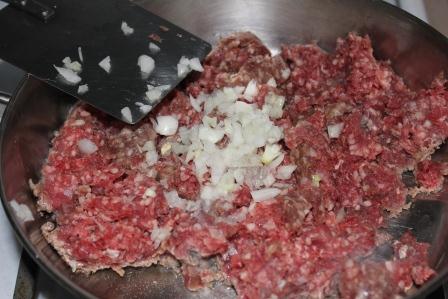
When browning my hamburger, I add a little bit of onion finely chopped so the kids don’t notice it.

While the hamburger is cooking, I wash my lettuce and place in my salad spinner. Again, the salad spinner is a must have tool. By spinning the moisture off my washed lettuce I find that it keeps longer in my refrigerator.

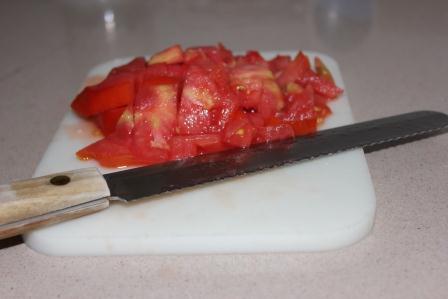
When slicing tomatoes, I have found that using a serrated knife works great. No more smashed tomatoes. I have a designated cutting board in my kitchen for all vegetables and fruits and a totally separate cutting board set aside for only meats. Just an extra safety precaution in our kitchen. Keeping foods separate to avoid cross contamination.

Homemade salsa from last year is a delicious addition to this meal.

Lazy Tacos

Lazy Tacos – add a side of fruit and a glass of milk, and you have a well-balanced, colorful, fun meal for the family.


Joy Unveiled

Joy Unveiled

We are starting to harvest the “fun stuff.” As Sam said, he starts to feel like a kid in a candy store and doesn’t want to stop harvesting the pumpkins gourds, popcorn and ornamental corn once we start. It is so much fun to see the surprises in the garden. There is simply a lot of joy unveiled. We are excited to share that with all of you.

We were able to harvest some of these crops this past weekend and will plan to finish those crops this coming week. Look for a lot of Fall decorating items next week.

This week marks the official end of the contracted weeks, but we will have a few bonus boxes as we finish harvesting it all. Look for additional communication via email as we begin to wrap up the 2016 growing season. Thank you for allowing us the privilege of growing for you and with you.

Garden Science

On one of our rainy days, the boys were out etching each family name in a pumpkin so it grew as part of the pumpkin and appeared as a scar on the skin. Unfortunately not all of them worked this year - as Steve said some of you will get a pumpkin with 'invisible ink" because yours was rotting in the field. Don't worry we will have more pumpkins for you next week.

On one of our rainy days, the boys were out etching each family name in a pumpkin so it grew as part of the pumpkin and appeared as a scar on the skin. Unfortunately not all of them worked this year – as Steve said some of you will get a pumpkin with ‘invisible ink” because those pumpkins did not make it, and we are terribly sad that happened. Don’t worry we will have more pumpkins for you next week.

Sam with his name pumpkin.

Sam with his name pumpkin. The names were etched using wood carving tools had made by Steve’s great grandpa.

Boxes of Produce

This list is prepared before we harvest your share. Some guesswork is involved! We do our best to predict which crops will be ready to harvest, but sometimes crops are on the list that are not in the share, and sometimes crops will be in the share even though they’re not on the list. Remember food safety in your kitchen when preparing, always wash your hands before working with your produce and always wash your produce before eating. Some of the crops are ran under cold well water to take the field heat off of them so they last longer in your refrigerators. They are not washed – just cooled. So remember to wash your vegetables before eating.  Thank you for your support of our CSA. Enjoy the produce!

Black Seeded Simpson, Prizehead and Red Oak Leaf Lettuce – The new crop is in. The ran sure went hard on it the last few days.

Kale – I use the Kale in moderation in my salads. It adds some beautiful color and more nutrients to the dish.

Green Beans – Jade green beans. Are you tired of green beans but you would like to preserve them to use this winter? Check out how to blanch them here.

These were some large beets! Larger than the boys' hands.

These were some large beets! Larger than the boys’ hands.

Beets –  Detroit Dark Red Beets in your box. Boil on your stove top for about 1/2 hour – take them out of the water, using a paper towel gently rub the paper towel over the beet and the skins will come right off, slice into pieces and serve with butter. Slice them and freeze for an easy accompaniment to a meal this winter or cut into chunks and place in Ziploc bag to use in homemade soup this winter. 

Carrots – Nantes carrots or purple carrots  – Do you cook the carrots and the family doesn’t eat them all? I will place the left overs in the blender and then freeze that mixture in ice cube trays. Once frozen, store in a bag in the freezer. I will then use one or two “cubes” of frozen carrots in my spaghetti sauce or in

TomatoesA variety of 4th of July Hybrid, Sweet Tangerine Hybrid, Roma and Sun Gold Hybrid tomatoes.

Peppers A variety of peppers in our boxes today. You have sweet cherry stuffer hybrid pepper, sweet thunderbolt hybrid pepper and green peppers in your box. You also have the option of some hot dragon cayenne peppers.

Garlic – Enjoy the fresh garlic. I use a hand-held garlic press to crush and peel my garlic. It is awesome and definitely the tool of the week! Here are some garlic recipes to check out.

Onions –  Walla Walla onions and Mars/Mercury red onion

Butternut Squash – My favorite squash. Check out the recipes from Martha Stewart.

Acorn Squash

Acorn Squash

Acorn Squash It was suggested that we try cooking the squash in the microwave and that worked slick. We tried this recipe from Taste of Home and liked it.

Carnival Squash

Carnival Squash

Carnival Squash –  Carnival squash is a hybrid of the sweet dumpling squash and the acorn squash. The color variance in the rind of the Carnival squash is the result of seasonal temperature variations. Warmer temperatures produce Carnival squash with slightly more pronounced green stripes. The squash’s flavor is nutty and sweet.

Spaghetti Squash – I love using this squash instead of regular spaghetti. Better Homes and Gardens shared ways to cook and prepare this squash. This  week we are going to try either Rachel Ray’s recipe or toss with butter and Parmesan.

Golden Egg Hybrid Summer Squash –  Check out squash soup recipes.

Red Norland Potatoes – Red Norland potatoes are versatile potatoes – great for boiling, potato salad, and I have had success with them as French fries.

Kennebec Potatoes – Great baking potato.

Cilantro, Basil and Parsley – Plenty to share – take a snip or a plant home and freeze or dry the herb for use in stews, etc during the rest of the year. Here are some more ideas on how to preserve herbs.

Pumpkin – Name pumpkins

Flower of the Week – gourds

The first round of gourds have been harvested. A lot of fun differences.

The first round of gourds have been harvested. A lot of fun differences.

Recipe of the Week

This is a family favorite – super easy and moist. If I don’t have a lot of time I will make them as muffins instead of the bread.

Pumpkin Bread

Pumpkin Bread

State Fair Pumpkin Bread

1 2/3 cup flour

1 ½ cup sugar

1/3 cup butter softened

1 teaspoon soda

½ teaspoon cinnamon

¼ teaspoon nutmeg

¼ teaspoon cloves

Pinch of salt

2 eggs

1/3 cup cold water

1 cup canned pumpkin (I use my prepared butternut squash which has been mixed with butter and brown sugar.


Combine flour, sugar, butter, soda, spices and salt in bowl. Add 1/3 cup cold water, eggs and pumpkin; mix well. Pour into greased loaf pan. Bake at 350 degrees Fahrenheit for 1 hour. Cool on wire rack.

 Source: Minnesota 4-H Blue Ribbon Favorites Cookbook – Pat Kuznik recipe

Preserving your Produce

Preserving your Produce

The boys were busy teaching friends how to dig potatoes. A skill both boys take for granted.

The boys were busy teaching friends how to dig potatoes. A skill both boys take for granted.

We are “digging” into the harvest literally. Many potatoes, pumpkins and more will come out this weekend. We love the colors and seeing the fruits of our labor. Throughout the season, we want to provide you our shareholders with the opportunity to learn something more. As noted above, the boys have been teaching others how to harvest vegetables this season. A skill that we take for granted.

Also, I know it takes an effort to figure out how to preserve the vegetables that we are giving you. We are sharing a few ideas below. Don’t be afraid to email or text if you have a question when you are in the kitchen or trying to figure out how to prepare one of the vegetables. I enjoy visiting with all of you as each of you share different ways you are utilizing the produce. I take the experience and knowledge you share with me so that I can then reshare help the other shareholders.

Many thanks for the opportunity to grow for you. We all enjoy seeing youGood luck with preserving the produce to use in your kitchen throughout the year.

Garden Science

4 O'clocks were planted in our garden to help draw in beneficial insects to eat the bad insects. The great thing about these flowers is they self seed. Look closely by the flower and you will see the black dot which is the seed that forms after the flower dies. The seeds will fall out onto the ground and many end up lodged in the soil and then begin to grow next spring.

4 o’clock were planted in our garden to help draw in beneficial insects to eat the bad insects. The great thing about these flowers is that they self seed. Look closely by the pink flower, and you will see the black dot which is the seed that forms after the flower dies. The seeds will fall out onto the ground and many end up lodged in the soil, and then begin to grow next spring.

Boxes of Produce

This list is prepared before we harvest your share. Some guesswork is involved! We do our best to predict which crops will be ready to harvest, but sometimes crops are on the list that are not in the share, and sometimes crops will be in the share even though they’re not on the list. Remember food safety in your kitchen when preparing, always wash your hands before working with your produce and always wash your produce before eating. Some of the crops are ran under cold well water to take the field heat off of them so they last longer in your refrigerators. They are not washed – just cooled. So remember to wash your vegetables before eating.  Thank you for your support of our CSA. Enjoy the produce!

Black Seeded Simpson, Prizehead and Red Oak Leaf Lettuce – The new crop is in. The ran sure went hard on it the last few days.

Kale – I use the Kale in moderation in my salads. It adds some beautiful color and more nutrients to the dish.

Green Beans – Jade green beans. Are you tired of green beans but you would like to preserve them to use this winter? Check out how to blanch them here.

Beets –  Detroit Dark Red Beets in your box. Boil on your stove top for about 1/2 hour – take them out of the water, using a paper towel gently rub the paper towel over the beet and the skins will come right off, slice into pieces and serve with butter. Slice them and freeze for an easy accompaniment to a meal this winter or cut into chunks and place in Ziploc bag to use in homemade soup this winter. 

Carrots – Nantes carrots – Do you cook the carrots and the family doesn’t eat them all? I will place the left overs in the blender and then freeze that mixture in ice cube trays. Once frozen, store in a bag in the freezer. I will then use one or two “cubes” of frozen carrots in my spaghetti sauce or in

TomatoesA variety of 4th of July Hybrid, Sweet Tangerine Hybrid and Sun Gold Hybrid tomatoes.

Hot Dragon Cayenne Peppers

Hot Dragon Cayenne Peppers on the verge of turning red.

Peppers The peppers are really starting to come in. You have sweet cherry stuffer hybrid pepper and green peppers in your box. You also have the option of some hot dragon cayenne peppers.

Garlic – Enjoy the fresh garlic. I use a hand-held garlic press to crush and peel my garlic. It is awesome and definitely the tool of the week! Here are some garlic recipes to check out.

Onions –  yellow candy onions – last of the first crop – look for the second crop next week.

Butternut Squash – My favorite squash. Check out the recipes from Martha Stewart.

Spaghetti Squash – I love using this squash instead of regular spaghetti. Better Homes and Gardens shared ways to cook and prepare this squash. This  week we are going to try either Rachel Ray’s recipe or toss with butter and Parmesan.

Golden Egg Hybrid Summer Squash –  Check out some squash soup recipes.

Zucchini – The zucchini is at the end of its season. Uff da what a season that was!

Red Norland Potatoes – Red Norland potatoes are versatile potatoes – great for boiling, potato salad, and I have had success with them as French fries.

Kennebec Potatoes – Great baking potato.

Cilantro, Basil and Parsley – Plenty to share – take a snip or a plant home and freeze or dry the herb for use in stews, etc during the rest of the year. Here are some more ideas on how to preserve herbs.

Hydrangeas and Sedums are tonight's arrangement.

Hydrangeas and Sedums are tonight’s arrangement.

Fresh cut arrangement – Hydrangeas and Sedums

Recipe of the Week

Summer Squash Soup

5 small yellow summer squash, seeded and cubed

2 green onions, cut into 3-inch pieces

2 tablespoons butter

1 can (14-1/2 ounces) chicken or vegetable broth

1/2 teaspoon salt

1/8 to 1/4 teaspoon white pepper

1-1/2 cups heavy whipping cream

1. In a large saucepan, saute squash and onions in butter until tender. Stir in the broth, salt and pepper; bring to a boil. Reduce heat; cover and simmer for 20-25 minutes or until vegetables are tender.

2. Cool slightly. Process in batches in a blender; return all to the pan. Stir in cream and heat through.

Golden Egg Hybrid Summer Squash - I always wipe them down with a Chlorox wipe before I cut them.

Golden Egg Hybrid Summer Squash – I always wipe them down with a Clorox wipe before I cut them.

Take your Golden Egg Hybrid Summer Squash, cut down the middle and peel the outside - I used both a knife and a peeler.

Take your Golden Egg Hybrid Summer Squash, cut down the middle and peel the outside – I used both a knife and a peeler.

Inside of the summer squash before removing the seeds.

Inside of the summer squash before removing the seeds.

Using a spoon, I then removed the seeds.

Using a spoon, I then removed the seeds by scooping them out.

Cut into cubes about 1/2 - 1 inch in size.

Cut into cubes about 1/2 – 1 inch in size.

Place in pan with chicken broth, butter, onion and garlic.

In a large saucepan, saute squash and onions in butter until tender. Stir in the broth, salt and pepper; bring to a boil.


Bring to a boil.

Reduce heat; cover and simmer for 20-25 minutes or until vegetables are tender.

Puree the mixture.

Cool slightly. Process in batches in a blender; return all to the pan. Stir in cream and heat through.

Place back in your pan, add cream, salt and pepper and warm the soup up. Serve with crackers if desired. We enjoyed this soup with Townhouse Crackers.

Serve with crackers if desired. We enjoyed this soup with Townhouse Crackers.


Butternut Squash

My family loves this recipe, and the boys eat it like crazy. I also use the prepared squash in place of pumpkin in many recipes. Butternut squash is in your boxes this week.

Butternut Squash - Before cooking I take a Chlorox wipe and wipe off the outside. I then cut the squash lengthwise down the center and place the cut side down in the pan. I do NOT peel nor remove the seeds.

Butternut Squash – Before cooking I take a Clorox wipe and wipe off the outside. I then cut the squash lengthwise down the center and place the cut side down in the pan. I do NOT peel nor remove the seeds.

*Cut squash in 1/2 (do NOT remove skin or seeds). Place cut side down in cake pan.

Note: I will do several squash at one time so I only have this mess once, and I have squash to last the rest of the year.

*Add about 1 inch depth of water.

*Cover with aluminum foil and bake at 375 degrees Fahrenheit for about 1 hour. I will often times leave my squash in the oven for 2 hours.

*Take out of oven.

*Take a knife and gently peel back the skin.

* Flip the squash over and scoop out seeds. The seeds can be kept and roasted.

*Place squash in another bowl.

I have doubled the recipe in this picture:
Add:
1 stick of butter
3/4 cup brown sugar


Using a mixer, blend together until smooth. Serve or freeze.

Using an ice cream scoop, scoop the squash into cupcake tins. Freeze squash in cupcake pans.

Once frozen. Pop out of your cupcake pan and place in Ziploc bags. I use this squash as my “pumpkin” in pumpkin recipes such as pumpkin breads etc.