Preparing for Fall

Preparing for Fall

It's that time of year to be starting to clean-up the fields. Sam started that for us this week by collecting stakes and row markers.

It’s that time of year to be starting to clean-up the fields. Sam started that for us this week by collecting stakes and row markers.

The end of the season is in sight, and Fall is near. You can see it in the plants and also in the cool nights. We have started the process of cleaning up and preparing for the end of the season. Watch your boxes as you’ll notice the winter squashes and other larger produce items weighting down the box. It will be a fun few weeks of surprises. We can’t wait to harvest the pumpkins and gourds.

Sam worked at the Minnesota Farm Bureau booth at the Minnesota State Fair this week answering farm questions from fair goers.

Sam and Keith worked at the Minnesota Farm Bureau booth at the Minnesota State Fair this week answering farm questions from fair goers.

Keith also worked at the Minnesota Farm Bureau booth at the Minnesota State Fair answering fairgoers questions about Minnesota agriculture.

Boxes of Produce

This list is prepared before we harvest your share. Some guesswork is involved! We do our best to predict which crops will be ready to harvest, but sometimes crops are on the list that are not in the share, and sometimes crops will be in the share even though they’re not on the list. Remember food safety in your kitchen when preparing, always wash your hands before working with your produce and always wash your produce before eating. Some of the crops are ran under cold well water to take the field heat off of them so they last longer in your refrigerators. They are not washed – just cooled. So remember to wash your vegetables before eating.  Thank you for your support of our CSA. Enjoy the produce!

Black Seeded Simpson, Prizehead and Red Oak Leaf Lettuce – The new crop of lettuce is coming in and is in your box this week.

Kale – I use the Kale in moderation in my salads. It adds some beautiful color and more nutrients to the dish.

Green Beans – The new crop of Jade green beans.

Beets –  Detroit Dark Red Beets in your box. Boil on your stove top for about 1/2 hour – take them out of the water, using a paper towel gently rub the paper towel over the beet and the skins will come right off, slice into pieces and serve with butter. Slice them and freeze for an easy accompaniment to a meal this winter or cut into chunks and place in Ziploc bag to use in homemade soup this winter. 

The last crop of carrots will be coming out of the ground for the remaining weeks of the CSA.

The last crop of carrots will be coming out of the ground for the remaining weeks of the CSA.

Carrots – Nantes carrots

TomatoesA variety of 4th of July Hybrid, Sweet Tangerine Hybrid and Sun Gold Hybrid tomatoes.

peppers

Pepper, Sweet Cherry Stuffer Hybrid


Peppers The peppers are really starting to come in. You have sweet cherry stuffer hybrid pepper in your box. You also have the option of some hot dragon cayenne peppers.

Garlic – Enjoy the fresh garlic. I use a hand-held garlic press to crush and peel my garlic. It is awesome and definitely the tool of the week! Here are some garlic recipes to check out.

Onions –  yellow candy onions

Butternut Squash – My favorite squash. Check out the recipes from Martha Stewart.

Spaghetti Squash – I love using this squash instead of regular spaghetti. Learn how to cook this squash from Martha Stewart.

Golden Egg Hybrid Summer Squash –  Check out some squash soup recipes.

Zucchini – The zucchini is still producing. So since we had extra, we made you some Cinnamon Zucchini Bread. See recipe below.

Red Norland Potatoes – Red Norland potatoes are versatile potatoes – great for boiling, potato salad, and I have had success with them as French fries.

Kennebec Potatoes – Great baking potato.

Cilantro, Basil and Parsley – Plenty to share – take a snip or a plant home and freeze or dry the herb for use in stews, etc during the rest of the year. Here are some more ideas on how to preserve herbs.

Fresh cut arrangement – Zinnias, hosta leaves and sunflowers

Recipe of the Week

Garlic Bread

Sam helped me make garlic butter for our garlic bread this week. We love my OXO garlic press.

Sam helped me make garlic butter for our garlic bread this week. We love my OXO garlic press.

Garlic Bread

1/2 cup butter, melted

3 to 4 garlic cloves, minced

1 loaf (1 pound) French bread, halved lengthwise

2 tablespoons minced fresh parsley

Directions

1. In a small bowl, combine butter and garlic. Brush over cut sides of bread; sprinkle with parsley. Place, cut side up, on a baking sheet.

2. Bake at 350° Fahrenheit for 8 minutes. Broil 4-6 in. from the heat for 2 minutes or until golden brown. Cut into 2-in. slices. Serve warm. Yield: 8 servings.

Source: Taste of Home


Cinnamon Zucchini Bread

Cinnamon Zucchini Bread – In your boxes this week. Thank you to Sarah Durenberger at From the Farm Table for sharing this recipe. I used applesauce instead of oil.

Cinnamon Zucchini Bread

3 Eggs, beaten

1 cup Sugar

1 cup Brown Sugar

1 cup Vegetable Oil (I use apple sauce as an equal replacement)

3 cups Flour (opt: substitute 1 cup Whole Wheat Flour)

1 tsp Baking Soda

1 tsp Salt

1/4 tsp Baking Powder

1/4 tsp Cinnamon

2 cups Zucchini, shredded

  1. Beat together the eggs, sugars and oil.
  2. Stir together all the dry ingredients and add to the egg-sugar mixture. Stir in the shredded zucchini.
  3. Coat four mini loaf pans with cooking spray. Sprinkle sugar on the bottom. Pour batter evenly in all four pans. Sprinkle tops with sugar.
  4. Bake at 325 degrees Fahrenheit for 45-50 minutes, or until toothpick comes out clean.


Every Season is Unique

Every Season is Unique

Potato Harvest is in full swing.

Potato harvest is in full swing. Good team work was needed to dig these up. It’s always fun to find the giant potatoes in the group.

It’s amazing how every growing season is unique, and each year different things go better than others, whether it is planting, pest management, plant health, time management, soil health etc. Every year, we are learning something new and trying to apply what was learned previously to build upon doing better during that given year. Each year’s weather pattern is different with Mother Nature always being predictably unpredictable.

At this point in the growing season, we are excited as we examine the squash, pumpkins and popcorn. We are frustrated as we look at the negative insects and their effects on the broccoli, cauliflower, cabbage and potatoes and exhausted with the number of plantings that we have done for sugar snap peas, lettuce and carrots.

But we are hopeful and excited as we see that the harvest year end is quickly going to be upon us. The reason we are so excited – because we love harvesting the pumpkins, squash, gourds, popcorn and ornamental corn. It truly is like Christmas in the garden. Take time to check out what is growing on before the craziness of school starts. It really is starting to change with September just around the corner. There is a lot to absorb and see.

Garden Science

Farmers and ranchers across the United States provide a great deal of wildlife habit. As we were working in the garden, we discovered this small nest of newly hatched birds. The boys were so excited to simply watch these young lives.

Farmers and ranchers across the United States provide a great deal of wildlife habit. As we were working in the garden, we discovered this small nest of newly hatched birds. The boys were so excited to simply watch these young lives.

Boxes of Produce

This list is prepared before we harvest your share. Some guesswork is involved! We do our best to predict which crops will be ready to harvest, but sometimes crops are on the list that are not in the share, and sometimes crops will be in the share even though they’re not on the list. Remember food safety in your kitchen when preparing, always wash your hands before working with your produce and always wash your produce before eating. Some of the crops are ran under cold well water to take the field heat off of them so they last longer in your refrigerators. They are not washed – just cooled. So remember to wash your vegetables before eating.  Thank you for your support of our CSA. Enjoy the produce!

Red Oak Leaf Lettuce – I have replanted this crop no less than 5 times, and we are starting to see a few varieties peek through the ground.

Kale – I use the Kale in moderation in my salads. It adds some beautiful color and more nutrients to the dish.

Green Beans – A new crop of Jade green beans.

Kohlrabi – Green kohlrabi in your box. Peel it and eat it like an apple.

Beets –  Detroit Dark Red Beets in your box. Boil on your stove top for about 1/2 hour – take them out of the water, using a paper towel gently rub the paper towel over the beet and the skins will come right off, slice into pieces and serve with butter.

Carrots – Purple Dragon and Nantes carrots that were planted at different times and in different soil types – your feedback is appreciated.

TomatoesA variety of 4th of July Hybrid, Sweet Tangerine Hybrid and Sun Gold Hybrid.

Peppers Cherry Stuffer Hybrid Sweet Pepper

Garlic – Enjoy the fresh garlic. I use a hand held garlic press crush and peel my garlic. It is awesome and definitely the tool of the week! Here are some garlic recipes to check out.

Onions –  yellow candy onions

Butternut Squash – My favorite squash. Check out the recipes from Martha Stewart.

Spaghetti Squash – I love using this squash instead of regular spaghetti. Learn how to cook this squash from Martha Stewart.

Spaghetti Squash on the left and Golden Egg Hybrid Summer Squash on the right.

Spaghetti Squash on the left and Golden Egg Hybrid Summer Squash on the right.

Golden Egg Hybrid Summer Squash –  Check out some squash soup recipes.

Zucchini – The zucchini is still producing. So since we had extra, we made you some Double Chocolate Zucchini Bread. See recipe below.

Red Norland Potatoes – Red Norland potatoes are versatile potatoes – great for boiling, potato salad and I have had success with them as French fries.

Kennebec Potatoes – Great baking potato.

Cilantro, Basil and Parsley – Plenty to share – take a snip or a plant home and freeze or dry the herb for use in stews, etc during the rest of the year. Here are some more ideas on how to preserve herbs.

Fresh cut arrangement – Zinnias, Hydrangeas, and sunflowers

Recipe of the Week

A favorite in our house. Find this recipe and more ideas on my friend’s blog at From the Farm Table.

Double Chocolate Zucchini Bread

1 cup Sugar

1 cup Brown Sugar

1 cup Vegetable Oil (I use apple sauce instead of the oil.)

4 Eggs

2 teaspoon Vanilla

2 cups Flour

1 cup Baking Cocoa

1 teaspoon Salt

1 1/2 teaspoon Baking Soda

1/2 teaspoon Baking Powder

1/2 teaspoon Cinnamon

1 cup Milk Chocolate Chips

3 cups Shredded Zucchini

1. Beat sugars, oil, eggs and vanilla together. Mix dry ingredients. Stir into mixture. Add chocolate chips and shredded zucchini.

2. Pour batter into 4-5 mini loaf pans (or 2 large loaf pans), coated with cooking spray.

3. Bake at 350 degrees for about 45 minutes, or until toothpick comes out clean. Remove from pans and cool.


Nature’s Challenges

Nature’s Challenges

Finding the treasures in the garden like the largest white pumpkin that we have found yet. It's so fun to see what is hiding under the large pumpkin leaves.

Checking out the garden and finding the largest white pumpkin – bonus – a fun way to end the day. It’s always a treasure hunt to see what is hiding under the large pumpkin leaves.

Often times in agriculture, we don’t always talk about the challenges that occur with the crops. Simply because we like to be upbeat and look at the positive. Speaking of positive, you should check out all of the pumpkins, squash and gourds growing – that harvest is just around the corner and the sizes of the pumpkins etc and the colors are fun to look at.

Garden Science

There are always challenges every crop year, and each year is unique unto itself.

  • Sugar Snap Peas - Some of you may be anxiously awaiting more sugar snap peas. And to be honest so are we. It has been a frustrating year with these. I have replanted the intended 3rd crop no less then four times. The previous three, I believe, may have had a germination issue with the seed. We have corrected it for this planting. We planted the seed in the ground this week with the hope that we will have at least one more crop before season's end. Especially since it is a favorite for all of us. With the heat and humidity, the second crop matured so rapidly that unfortunately much was lost because it literally would mature before we had time to harvest it:(

    Sugar Snap Peas – Some of you may be anxiously awaiting more sugar snap peas. And to be honest so are we. It has been a frustrating year with these. I have replanted the intended 3rd crop no less then four times (pictured is one of the meek outcomes of one of those plantings). The previous three, I believe, may have had a germination issue with the seed. We have corrected it for this planting. We planted the seed in the ground this week with the hope that we will have at least one more crop before season’s end. Especially since it is a favorite for all of us. With the heat and humidity, the second crop matured so rapidly that unfortunately much was lost because it literally would mature before we had time to harvest it:(

    Lettuce and Spinach - This crop as well has had actually 6 plantings. We have received 3 crops. The intent was have at least 2 more quality outcomes in new plantings but that was not what God intended. We are really happy to see two different varieties growing quite well and are hopeful for a new crop in a week or two.

    Lettuce and Spinach – This crop has had actually 6 plantings. We have received 3 crops. The intent was have at least 2 more quality outcomes in new plantings but that was not what God intended. We are really happy to see two different varieties growing quite well, pictured, and are hopeful for a new crop in a week or two.


    The potato bugs are again a challenge this year even though we plant flowers to bring in good insects to eat them and attempt to control them with other methods. They are eating potato plants, tomato plants and more. Learn more http://www.extension.umn.edu/garden/insects/find/colorado-potato-beetles/

    The potato bugs are again a challenge this year even though we plant flowers to bring in good insects who like to eat potato bugs and attempt to control them with other methods. They are eating potato plants, tomato plants and more. Learn more here.

  • Squash bugs are appearing in great numbers. We will be monitoring them and whether we will need to an insecticide to control them from damaging the pumpkins and squash. Learn morehttp://www.extension.umn.edu/garden/insects/find/squash-bugs/

    Squash bugs are appearing in great numbers. We will be monitoring them and whether we will need to an insecticide to control them from damaging the pumpkins and squash. Learn more here.

    Splitting of the carrot root s also occurring due in part to the excessive amounts of rain we have been receiving at one time over the last few weeks.

    Splitting of the carrot root is also occurring due in part to the excessive amounts of rain we have been receiving at one time over the last few weeks. The carrot simply receives a lot of moisture at once, grows fast, and splits.

    We are also having these black spots on some varieties of the tomatoes. Check out more information here.

    We are also having these black spots on some varieties of the tomatoes. Check out more information here.


Boxes of Produce

This list is prepared before we harvest your share. Some guesswork is involved! We do our best to predict which crops will be ready to harvest, but sometimes crops are on the list that are not in the share, and sometimes crops will be in the share even though they’re not on the list. Remember food safety in your kitchen when preparing, always wash your hands before working with your produce and always wash your produce before eating. Some of the crops are ran under cold well water to take the field heat off of them so they last longer in your refrigerators. They are not washed – just cooled. So remember to wash your vegetables before eating.  Thank you for your support of our CSA. Enjoy the produce!

Red Oak Leaf Lettuce – I think God is trying to give you a break on lettuce. I have replanted this crop no less than 5 times. I see a variety is peeking through the ground.

Kale – I use the Kale in moderation in my salads. It adds some beautiful color and more nutrients to the dish.

Kohlrabi – Green kohlrabi in your box. Peel it and eat it like an apple.

Beets –  Detroit Dark Red Beets in your box. Boil on your stove top for about 1/2 hour – take them out of the water, using a paper towel gently rub the paper towel over the beet and the skins will come right off, slice into pieces and serve with butter.

Cherry Belle RadishesLast of this crop.

Carrots

Golden Egg Hybrid Summer Squash –  Check out some squash soup recipes.

Zucchini – The zucchini is still producing. So since we had extra, we made you some zucchini brownies – enjoy.

TomatoesA variety abound. Enjoy some BLTs.

Peppers Green Bell Peppers

Garlic – Enjoy the fresh garlic. I use a hand held garlic press crush and peel my garlic. It is awesome and definitely the tool of the week! Here are some garlic recipes to check out.

Onions –  yellow onions.

Spaghetti Squash – I love using this squash instead of regular spaghetti. Learn how to cook this squash from Martha Stewart.

Red Norland Potatoes – Red Norland potatoes are versatile potatoes – great for boiling, potato salad and I have had success with them as French fries.

Kennebec Potatoes – Great baking potato.

Sweet Corn – Thank you to FarGaze Farms for sharing some extra sweet corn. Our sweet corn is between crops. Preserve the corn for winter eating simply by cooking it, cut it off the cob, place in Ziploc bag and place it in the freezer. 

Cilantro, Basil and Parsley – Plenty to share – take a snip or a plant home and freeze or dry the herb for use in stews, etc during the rest of the year.

Fresh cut arrangement – Zinnias and sunflowers

Recipe of the Week

Cooking Spaghetti Squash

Spaghetti squash was in you box last week. Still wondering how to cook it? I have the best luck putting it in a large bowl of water and bowling it for about 1 hour or until I can easily stick a fork into it.

Spaghetti squash was in you box last week. Still wondering how to cook it? I have the best luck putting it in a large bowl of water and bowling it for about 1 hour or until I can easily stick a fork into it.

Take it out of the bowling water and cut open lengthwise. Scoop out the seeds.

Take it out of the bowling water and cut open lengthwise. Scoop out the seeds.

Take a fork and scrape it out so you get the noodle effect that is naturally occurring.

Take a fork and scrape it out so you get the noodle effect that is naturally occurring.

Serve it up like a regular meal of spaghetti.

Serve it up like a regular meal of spaghetti.

Finding Commonalities

Finding Commonalities

Enjoying the evening sunset together as we harvested sweet corn. In the end, we all just want more quality time with our loved ones. No technology, just Mother Nature and good conversation.

Enjoying the evening sunset together as we harvested sweet corn. In the end, we all just want more quality time with our loved ones. No technology, just Mother Nature and good conversation.

Whether at a baseball game or at the dentist office, we end up discussing summer activities with our kids, challenges as working moms balancing summer schedules, and concern for our kids as they enter into a new school year. We share a lot of the same concerns even though, what we have most in common is being parents, and the love we have for our children.

These conversation also end up including our CSA or questions they have about farming. Questions range from how our CSA is doing with the weather to what’s working and what’s not working compared to what they are experiencing or seeing in their area. These conversations are often times with friends that grew up in town and/or currently reside in town. We also discussed how the food is grown and technologies in agriculture. We, meaning all four of us, enjoy the conversations and the opportunity to help others gain a better understanding for how food is grown.

We are happy to answer questions that others have about what we do. What matters, is that in life we are always learning. After all, it is simply fun and interesting to learn how food is grown and raised to feed our families.


Boxes of Produce

This list is prepared before we harvest your share. Some guesswork is involved! We do our best to predict which crops will be ready to harvest, but sometimes crops are on the list that are not in the share, and sometimes crops will be in the share even though they’re not on the list. Remember food safety in your kitchen when preparing, always wash your hands before working with your produce and always wash your produce before eating. Some of the crops are ran under cold well water to take the field heat off of them so they last longer in your refrigerators. They are not washed – just cooled. So remember to wash your vegetables before eating.  Thank you for your support of our CSA. Enjoy the produce!

Red Oak Leaf Lettuce – I think God is trying to give you a break on lettuce. I have replanted this crop no less than 5 times. I see a variety is peeking through the ground.

Spinach  – The spinach is in the lettuce salad mix this week. It doesn’t like the heat we have been receiving.

Kale – I use the Kale in moderation in my salads. It adds some beautiful color and more nutrients to the dish.

Kohlrabi – You either have a purple or green kohlrabi in your box. Peel it and eat it like an apple.

Purple Beans – Just a taste this week.

These were some overgrown beets.

These were some overgrown beets.

Beets –  Detroit Dark Red Beets in your box. Check out how to cook them here.

Cherry Belle RadishesThey may be small but their taste is mighty. Enjoy in a salad or a radish sandwich – on buttered bread.

Carrots

Golden Egg Hybrid Summer Squash –  The best-tasting squash in Burpee’s taste trials for 2 years in a row.

Zucchini – The zucchini is still producing. Wondering when it will slow down.

Cucumbers – This crop is dwindling. You will get a break from cucumbers shortly until a new variety of this crop comes in.

Plenty of tomatoes to harvest.

Plenty of tomatoes to harvest.

TomatoesA variety abounds for you this week.

Peppers Green Bell Peppers

Garlic – Enjoy the fresh garlic. I use a hand held garlic press crush and peel my garlic. It is awesome and definitely the tool of the week! Here are some garlic recipes to check out.

Onions –  Snow White hybrid and Giant Red Hamburger onions.

sweet corn

Sam’s neatly stacked sweet corn.

Sweet Corn – One of summer’s favorites.

Spaghetti Squash – I love using this squash instead of regular spaghetti. Learn how to cook this squash from Martha Stewart.

Red Norland Potatoes – Red Norland potatoes are versatile potatoes – great for boiling, potato salad and I have had success with them as French fries.

Yukon Gold Potatoes

Yukon Gold Potatoes

Yukon Gold Potatoes – A beautiful golden variety of potato.  Learn some fun facts about potatoes grown in Minnesota and the Northern Plains here.

Cilantro, Basil and Parsley – Plenty to share – take a snip or a plant home and freeze or dry the herb for use in stews, etc during the rest of the year.

Fresh cut arrangement – Zinnias and sunflowers

Recipe of the Week

These zucchini brownies are a favorite.

These zucchini brownies are a favorite.

Zucchini Brownies

Ingredients

•2 cups all-purpose flour

•1/3 cup baking cocoa

•1-1/2 teaspoons baking soda

•1 teaspoon salt

•2 cups shredded zucchini

•1-1/2 cups sugar

•3/4 cup vegetable oil (I will substitute with applesauce.)

•1/2 cup chopped walnuts

•2 teaspoons vanilla extract

Frosting

•1/4 cup butter, cubed

•1 cup sugar

•1/4 cup milk

•1/2 cup semisweet chocolate chips

•1/2 cup miniature marshmallows

•1 teaspoon vanilla extract

•1/2 cup chopped walnuts, optional


•In a large bowl, combine the flour, cocoa, baking soda and salt. In a small bowl, combine the zucchini, sugar and oil; stir into dry ingredients until blended. Stir in walnuts and vanilla.

•Pour into a greased 13-in. x 9-in. baking pan. Bake at 350° F. for 35-40 minutes or until a toothpick comes out clean. Cool on a wire rack for 30 minutes.

•In a large saucepan, melt butter; stir in sugar and milk. Bring to a boil over medium heat, stirring frequently. Cook and stir 1 minute or until smooth. Remove from the heat. Stir in chips and marshmallows until melted and smooth; add vanilla. Spread over brownies. Sprinkle with walnuts if desired. Yield: 2 dozen.

Source: Taste of Home

Learning by Doing

Learning by Doing

This week is fair week in our house. Those that have been involved in county fairs realize this means chaos and exhaustion by everyone in the household. Some may wonder why we put ourselves through this. The short answer is we participate because our kids are in 4-H. The longer answer is: our kids are members of 4-H because we know it builds lifelong friendships, provides unique personal growth opportunities and the kids learn by doing.

The boys brought general projects and are showing animals. Some of their general projects like photography and shop projects could be done ahead of time. Projects like livestock are conducted over several months, over the period of the lifetime of the animal, and some general projects need to be done as close to project judging time as possible such as foods and vegetable gardening.

Sam sharing his Cloverbud general projects with a judge.

Sam sharing his Cloverbud general projects with a judge.

Sam's photo off of our deck following one of the recent storms. He framed the photo and said he like the different colors in the picture and if you look closely that you can see that the roads form different letters. Appreciate how he made me step back and look at his photo through a different lense - a good life lesson.

Sam’s photo that he was sharing with the judge was taken from our deck following one of the recent storms. He framed the photo and said he liked the different colors in the picture and if you look closely that you can see that the roads form different letters. I appreciate how he made me step back and look at his photo through a different lense – a good life lesson.

One of Keith's one hundred photos that sparked his idea for a theme of 4 on roads. The judge said she appreciated his perspective and understanding that you don't always have to take a photo standing up and that he chose a different perspective in how to look at his surroundings.

One of Keith’s one hundred photos that sparked his idea for a theme of four photos on roads. The judge said she appreciated his perspective and understanding that you don’t always have to take a photo standing up and that he chose a different perspective in how to look at his surroundings.

Allowing the kids to complete projects with minimal guidance does take patience for both parties involved, but it allows the kids to grow. For example, learning that sometimes you need to take over 100 photos to get four really good ones that you are happy with or being persistent to find the proper way to display an item such as vegetables.

Through this journey, they are learning the value of mentorship and seeking out others that are experts or have experiences in project areas helps them to understand the value in building a community of support. Thank you to all who have been willing to help. As parents, we see the personal growth, and the humbleness they demonstrate in learning from others.

As project judging time arrived, the kids said they were nervous about the judging. Through the judging process, they learned to shake hands before and after their interviews, remove their hats when conducting their interviews and say thank you at the end of their judging. Once completed, they said it was really fun, and they were so appreciative of how helpful the judges were in teaching them more about their projects and truly seeing what they had learned by doing.

Preparing for the vegetable project was a challenge as we didn't quite know how to properly display the vegetables for a blue ribbon display. After looking at the vegetable and potato displays last year, Keith said he wanted to bring them. He was very nervous for this judging, but as you can see he enjoyed his discussion with the judge who was very helpful in helping us both understand the vegetable project and potato project. Keith was ecstatic to receive Reserve Champion in his potato project and Honorable Mention with his Vegetable Project.

Preparing for the vegetable project was a challenge as we didn’t quite know how to properly display the vegetables for a blue ribbon display. After looking at the vegetable and potato displays last year, Keith said he wanted to bring them. He was very nervous for this judging, but as you can see he enjoyed his discussion with the judge who was very helpful in helping him to understand the vegetable project and potato project. Keith was ecstatic to receive Reserve Champion in his potato project and Honorable Mention with his Vegetable Project.

As a parent living in the chaos of fair week and in my exhaustion, I question whether it is worth it. But I am reminded by take away comments and gestures throughout each day of the fair.

As Keith was selecting his pen of two laying hens and was contemplating the final decision, he said, “Mom today isn’t about winning. It is about learning.”

I asked Sam how it went in the show arena, and how did it go answering the judges questions. He responded with a big grin, “I got the best ribbon I could get – a green.” As a 4-H Cloverbud, they all receive green participation ribbons as an opportunity to learn by doing, to gain confidence in learning that participating, learning and having fun – is the most important thing.

Yesterday, the boys washed their 4-H chickens and pig – together, no fights simply building self-confidence and experiencing new things together. As the day came to a close, I complimented them on how well they worked together. They looked at each other and said, “Yes we did, and it was fun.” The working together carried over to the fair in their pride in caring for their animals and showing them to the fairgoers.”

So from this exhausted parent to other exhausted parents, 4-H and participating in the county fair is definitely worth the investment of time and effort. Watching your kids Learn by Doing is priceless. After all, in the end it is not about the blue ribbon it is about raising a blue ribbon kid.

Garden Science

Did you know that we are still planting seeds in the a garden? These will be some of the last crops planted this year. The plan is for these to reach maturity the last few weeks of the growing season and hoping to have a later frost.

Tilling up another area to replant with the final round of lettuce, spinach, kohlrabi and cucumbers.

Tilling up another area to replant with the final round of lettuce, spinach, kohlrabi and cucumbers.

This weekend we replanted peas and reinstalled the pea fence that had been twisted a bit in some earlier storm winds.

This weekend we replanted peas and reinstalled the pea fence that had been twisted a bit in some earlier storm winds.

Boxes of Produce

This list is prepared before we harvest your share. Some guesswork is involved! We do our best to predict which crops will be ready to harvest, but sometimes crops are on the list that are not in the share, and sometimes crops will be in the share even though they’re not on the list. Remember food safety in your kitchen when preparing, always wash your hands before working with your produce and always wash your produce before eating. Some of the crops are ran under cold well water to take the field heat off of them so they last longer in your refrigerators. They are not washed – just cooled. So remember to wash your vegetables before eating. 

Black Seeded Simpson Lettuce – Are you having challenges storing your lettuce? This is what I do. Wash it, place in a salad spinner, drain the water off the salad spinner, spin again and then place in a plastic bag in my vegetable crisper. It lasts me the full week or more.

Prizeleaf and Red Oak Leaf Lettuce – I love these beautiful lettuces – Prizeleaf is green with reddish tips and Red Oak Leaf is a red lettuce leaf. They add such a wonderful color to salads and sandwiches.

Spinach  – The spinach is in the lettuce salad mix this week. It doesn’t like the heat we have been receiving.

Green Beans

Green Beans

Green Beans – Plenty are growing – let us know if you would like any to can or freeze. Here are some recipe ideas.

Carrots – Some beautiful purple carrots this week.

Sugar Snap Peas – A new crop is in.

Kale – Here are some recipes for this vegetable. Two varieties Dwarf Blue Curled Vates and Ursa Kale.

Kohlrabi – You either have a purple or green kohlrabi in your box. Peel it and eat it like an apple.

Beets –  Dark Detroit Red Beets – Learn how to cook beets here.

Watermelon Radish

Watermelon Radish

Radishes – Watermelon radishes – let us know what you think about this vegetable.

Golden Egg Hybrid Summer Squash –  The best-tasting squash in Burpee’s taste trials for 2 years in a row.

Zucchini – The zucchini is growing like crazy. Learn how to save it for use during the cold winter months From the Farm Table and try some of the recipe ideas from Martha Stewart.

Onions – Yellow Candy – These onions are beautiful. Enjoy!

Cucumbers

Cucumbers

Cucumbers – Enjoy these in your box. Let us know if you are interested in canning quantities and dill for pickles.

Fresh Basil – some of you have basil in your herb pots and some do not. Check out these basil ideas.

Fresh Dill

Fresh cut arrangement – Zinnias and sunflowers

Recipe of the Week

Chocolate Zucchini Bread Recipe

Ingredients

2 cups sugar

1 cup applesauce

3 large eggs

3 teaspoons vanilla extract

2-1/2 cups all-purpose flour

1/2 cup baking cocoa

1 teaspoon salt

1 teaspoon baking soda

1 teaspoon ground cinnamon

1/4 teaspoon baking powder

2 cups shredded peeled zucchini

1/4 miniature chocolate chips (optional)

Directions

  1. In a large bowl, beat the sugar, applesauce, eggs and vanilla until well blended. Combine the flour, cocoa, salt, baking soda, cinnamon and baking powder; gradually beat into sugar mixture until blended. Stir in zucchini. Transfer to two 8-in. x 4-in. loaf pans coated with cooking spray.
  2. Bake at 350° for 50-55 minutes or until a toothpick inserted near the center comes out clean. Cool for 10 minutes before removing from pans to wire racks to cool completely. Yield: 2 loaves (12 slices each)


Stand up, Stand Tall

Stand up, Stand Tall

Welcome Minnie and Daisy to the farm.

Welcome Minnie and Daisy to the farm. Barn cats play an important part of controlling field mice and other rodents around our place. As you can tell, we all love having these kittens around.

Thank you to everyone who expressed concern over how our crops fared the storms. We are happy to share (see photo below) that they have recovered as much as can be expected. They have stood back up, standing tall and looking like a crop is in their future. I shared the photos last week as an opportunity to help everyone better understand what happens to farmers’ crops when storms roll through.

One comment from our blog post sticks out – “After all my years of farming, one thing I have learned, is that we do everything we can to ensure that the crop we put in the ground will grow and reap a harvest with whatever weather conditions Mother Nature gives us. If you were thinking positively when you planted it, chances are…it will be ok.”

This comment reminded me that farming presents more learning lessons than one realizes. In fact, it reminds me a lot of life and parenting. We do all we can to ensure that we are helping our children grow up to be productive, loving and caring people who provide back to this world more than they have been given. We think positively about their future. While we are preparing them, similar to preparing to growing a crop, we do the best we can hoping that whatever storms come their way in life that they to, like the corn, will stand back up, stand tall and reap a productive lifetime.

Garden Science

This is a photo of the top of the corn plant last week.

This is a photo of the top of the corn plant last week. Take time to check out the different plants. They really are unique.

The ornamental corn leaf feels different then the...

The ornamental corn leaf feels different then the…

broom corn leaf...

broom corn leaf…

then the field corn leaf. All are unique to the type of corn variety that it is.

then the field corn leaf. All are unique to the type of corn variety that it is.

Great news. All types of corn are standing back up on their own. When I refer to types I mean: sweet corn, field corn, ornamental corn, broom corn and popcorn. Corn genetics are an amazing thing. Thanks to plant scientists these plant varieties were able to withstand that strong wind and straighten back up to keep on growing. I think it also helped that we were all praying for this to happen. God is good!

Great news. All types of corn are standing back up and standing tall on their own. When I refer to types I mean: sweet corn, field corn, ornamental corn, broom corn and popcorn. Corn genetics are an amazing thing. Thanks to the plant scientists, these plant varieties were able to withstand that strong wind and straighten back up to keep on growing. I think it also helped that we were all praying for this to happen. God is good!

Boxes of Produce

This list is prepared before we harvest your share. Some guesswork is involved! We do our best to predict which crops will be ready to harvest, but sometimes crops are on the list that are not in the share, and sometimes crops will be in the share even though they’re not on the list. Remember food safety in your kitchen when preparing, always wash your hands before working with your produce and always wash your produce before eating. Some of the crops are ran under cold well water to take the field heat off of them so they last longer in your refrigerators. They are not washed – just cooled. So remember to wash your vegetables before eating. 

Black Seeded Simpson Lettuce – With a lot of lettuce in your boxes, check out Martha Stewart’s lettuce salad recipes or this potluck taco idea for picnics and family gatherings. 

Prizeleaf and Red Oak Leaf Lettuce – I love these beautiful lettuces – Prizeleaf is green with reddish tips and Red Oak Leaf is a red lettuce leaf. They add such a wonderful color to salads and sandwiches.

Spinach and Beet Leaves – We thinned our beets and have combined them with the spinach for a healthy salad mix.

Carrots

Carrots

Carrots – Some beautiful carrots this week.

Kale – Here are some recipes for this vegetable. Two varieties Dwarf Blue Curled Vates and Ursa Kale.

Kohlrabi

Kohlrabi

Kohlrabi – You either have a purple or green kohlrabi in your box.

Beet –  Dark Detroit Red Beets – Learn how to cook beets here.


Picking green beans can literally be exhausting.

Picking green beans can literally be exhausting.

Green Beans – Plenty are growing – let us know if you would like any to can or freeze. Here are some recipe ideas.

Watermelon Radish

Watermelon Radish

Radishes – Watermelon radishes – let us know what you think about this vegetable.

Golden Egg Hybrid Summer Squash –  The best-tasting squash in Burpee’s taste trials for 2 years in a row.

Quite the zucchini and summer squash harvest this week.

The zucchini and summer squash harvest this week.

Zucchini – The zucchini is growing like crazy. Learn how to save it for use during the cold winter months From the Farm Table and try some of the recipe ideas from Martha Stewart.

Onions – red onions – These onions took a beating in the storms. They had stopped growing so we harvested them this week.

Fresh Basil – some of you have basil in your herb pots and some do not. Check out these basil ideas.

Fresh cut arrangement – Zinnias

Recipe of the Week

Cinnamon Zucchini Bread

Cinnamon Zucchini Bread

Cinnamon Zucchini Bread

Ingredients

3 Eggs, beaten

1 cup Sugar

1 cup Brown Sugar

1 cup applesauce

3 cups Flour (opt: substitute 1 cup Whole Wheat Flour)

1 tsp Baking Soda

1 tsp Salt

1/4 tsp Baking Powder

1/4 tsp Cinnamon

2 cups Zucchini, shredded

Shredding zucchini is super easy and fun with this salad shooter.

Shredding zucchini is super easy and fun with this salad shooter.

Instructions

Beat together the eggs, sugars and applesauce.

Stir together all the dry ingredients and add to the egg-sugar mixture. Stir in the shredded zucchini.

Coat four mini loaf pans with cooking spray. Sprinkle sugar on the bottom. Pour batter evenly in all four pans. Sprinkle tops with sugar.

Bake at 325 degrees for 45-50 minutes, or until toothpick comes out clean.

Mother Nature’s Reminders

Mother Nature’s Reminders

Mother Nature always has a way of reminding us who is in control. It is certainly not us.

The past few days we were busy accomplishing a lot of jobs, and we were beginning to feel pretty good about how things were looking in the garden.

This weekend, we put up the electric fence around the sweetcorn to protect it from curious creatures like raccoons. The fencing is powered by a solar panel.

This weekend, we put up the electric fence around the sweetcorn to protect it from curious creatures like raccoons. The fencing is powered by a solar panel.

We irrigated the tomatoes this week to provide for more even moisture throughout the growing season as the tomatoes are starting to grow.

We irrigated the tomatoes this week to provide for more even moisture throughout the growing season as the tomatoes grow.

Rain water captured from the roof of our shop is used to

Rain water captured from the roof of our shop is used to irrigate the crops. We use gravity flow to move the water to the plants.

Last night, Mother Nature moved in with a vengeance with straight winds over 70 mph. The skies were green which usually means hail. We were fortunate to not have the hail or tornadoes at our place. Others in the area were not as fortunate. Rain came with the winds, but difficult to measure with the force in which it was upon us.

When the skies had settled and it was safe to emerge from our house and our basement. We felt blessed to only have branches scattered throughout the yard, no trees were down. We still had all of the buildings. The crops were there, while they were a mangled mess.

I was thankful that we made a mad dash to harvest a few crops that grow above ground before the storm hit. They would have likely been damaged from the winds and blowing debris.

Sweet corn standing tall tasseling this weekend. The thoughts of sweet corn in the near future.

Sweet corn standing tall tasseling this weekend. The thoughts of sweet corn in the near future.

The sweet corn was flat after last night's storm. We are not real hopeful of pollination occurring from the tassel to the silks on the ears of corn after last nights storm. In the background you will see our neighbors field corn. What this photo does not show, is that it to was affected. While the genetics on the field corn plants have been selected to withstand high winds, only time will tell what the end harvests will look like for all of these crops. We are thankful that we did not have hail or tornadoes last night.

The sweet corn was flat after last night’s storm. We are not real hopeful of pollination occurring from the tassel to the silks on the ears of corn after last nights storm.
In the background you will see our neighbors field corn. What this photo does not show, is that it to was affected. While the genetics on the field corn plants have been selected to withstand high winds, only time will tell what the end harvests will look like for all of these crops. We are thankful that we did not have hail or tornadoes last night.

The popcorn was not yet pollinating so there is still hope for a crop. We need to inspect the corn plant more closely to see if the tops of the plant are still intact.

The popcorn was not yet pollinating so there is still hope for a crop. We need to inspect the corn plant more closely to see if the tops of the plant are still intact.

Garden Science

Have you ever taken the time to notice the differences between the plant stems and leaves. It is really fascinating the shapes and textures.

Take a look at the spikes on the stem and the cucumber itself.

Take a look at the spikes on the stem and the cucumber itself.

The burble beans stems are purple. While green bean stems are green (check those out in the photo below).

The burble beans stems are purple. While green bean stems are green (check those out in the photo below).

Pumpkin stems feel hollow compared to other plants. While they are round, they are not perfectly symmetrical. They to also have little prickles on them.

Pumpkin stems feel hollow compared to other plants. While they are round, they are not perfectly symmetrical. They to also have little prickles on them.

Boxes of Produce

This list is prepared before we harvest your share. Some guesswork is involved! We do our best to predict which crops will be ready to harvest, but sometimes crops are on the list that are not in the share, and sometimes crops will be in the share even though they’re not on the list. Remember food safety in your kitchen when preparing, always wash your hands before working with your produce and always wash your produce before eating.

Black Seeded Simpson Lettuce – With a lot of lettuce in your boxes, check out Martha Stewart’s lettuce salad recipes. Some of the crops are ran under cold well water to take the field heat off of them so they last longer in your refrigerators. They are not washed – just cooled. So remember to wash your vegetables before eating. 

Prizeleaf and Red Oak Leaf Lettuce – I love these beautiful lettuces – Prizeleaf is green with reddish tips and Red Oak Leaf is a red lettuce leaf. They add such a wonderful color to salads and sandwiches.

Kale – Here are some recipes for this vegetable.

Kohlrabi – You either have a purple or green kohlrabi in your box. Look here for more information on how to use this vegetable.

Beet –  Dark Detroit Red Beets – The University of Minnesota provides direction on how to pickle beets here.

Sugar Snap Peas – A healthy harvest for you – eat the pod and the peas. These are a shareholder favorite. Fact: Minnesota is the second largest state for growing green peas for processing (meaning the peas will be frozen or canned peas like we buy in the store).           

Green Beans growing from the flowers of the plant.

Green Beans growing from the flowers of the plant.

Green Beans – Enjoy the first of the season. Here are some recipe ideas from America’s Heartland.

Radishes – French Breakfast radishes – radish recipes.

Summer Squash and zucchini – The zucchini took off this week. Here are some recipes to try from Taste of HomeLearn more about the golden egg hybrid.

Onions – Yellow onions this week.

Fresh cut arrangement – hosta leaves, lilies and sweet peas.

Recipe of the Week

Veggies on the Grill

Many of you have mentioned that you like to put your veggies on the grill. I simply combined a variety cut into 1/4 inch slices, drizzled with olive oil and sprinkled some Kosher salt and arugula on them. The beets added a beautiful color to the dish.

Many of you have mentioned that you like to put your veggies on the grill. I simply combined a variety cut into 1/4 inch slices, drizzled with olive oil and sprinkled some Kosher salt and arugula on them. The beets added a beautiful color to the dish.

Controlling Pests

Controlling Pests

Pest control has consumed our time this week. From weeds to insects, they have been a challenge. Why do we work so hard to control weeds and non-beneficial insects in the garden? It is because they can overtake the crops.

The past few weeks with warmer temperatures, rain and high temperatures created ideal conditions for plants - especially weeds to thrive.

The past few weeks with warmer temperatures, rain and humidity created ideal conditions for plants, especially weeds, to thrive. A lot of time has been spent weeding to ensure there was a crop to harvest. In the forefront, you see the “after weeding” and in the background, is before weeding. Before weeding you could hardly see the crop.

Potato bugs are a nemesis and will completely eat the potato plant down to the stem which in the end will kill the plant. No plant - no potatoes. We did spray the insects this week so they did not decimate the crop. We have our pesticide applicator license. In order to receive this from the Minnesota Department of Agriculture you have to take a test and a class so that you understand how to use these crop tools according to government safety regulations. The insecticides are targeted to the insects. We would not use the insectides if we did not need to. We use them and know based on the research that has been conducted on the insecticides that the food produced by the plants will be safe for our kids to eat.

Potato bugs are a nemesis and will completely eat the potato plant down to the stem which in the end will kill the plant. No plant – no potatoes. The potato bugs shown are younger potato bugs.

We did spray the insects this week so they did not decimate the crop. We have our Minnesota Department of Agriculture pesticide applicator license. In order to receive this, you have to take a test and a class so that you understand how to use these crop protection tools according to government safety regulations. The insecticides are targeted to the insects, and insects are different biologically then humans.

We would not use the insecticides if we did not need to control the insect population. We know, based on the research conducted on the insecticides by government agencies and private industry, that the food produced by the plants will be safe for our kids to eat.

This is what the cucumber beetles have been doing to our vine crops. We have also put insecticide on these plants to protect them from this pest.

This is what the cucumber beetles have been doing to our vine crops. We have also put insecticide on these plants to protect them from this pest.

Something Fun

Continual learning is part of farming. This past week, we went on our yearly 4-H club's farm tour. During the tours, the kids share with attendees of the club and the club members' parents information about their project and what they have learned. In addition to the kids learning from kids, adults learn from the 4-H members and from each other. Keith was fortunate at one of our stops to hold a kid, baby goat.

Continual learning is part of farming. This past week, we went on our yearly 4-H club’s farm tour. During the tours, the kids share with attendees of the club and the club members’ parents information about their project, and what they have learned. In addition to the kids learning from kids, adults learn from the 4-H members and from each other. Keith was fortunate at one of our stops to hold a kid, baby goat. While this isn’t what we have on our farm, seeking first to understand other 4-H projects and farm production methods is part of continuous improvement for ones self and for our farm.

Garden Science

This week is National Pollinator Week. We try very hard to have beneficial insects in the garden to eat the nemesis insects so that we can have active pollinators on our crops. We plant flowers such as 4 o’clock, marigolds, sunflowers, zinnias and pollinator seed packs to bring in pollinators as well as beneficial insects.

Did you know? Many crops such as strawberries, cucumbers, pumpkins and more depend on pollination. Pollinators include honey bees, butterflies birds and more.

Learn more about National Pollinator Week and activities that you can do with your kids from American Farm Bureau Foundation for Agriculture.

Boxes of Produce

This list is prepared before we harvest your share. Some guesswork is involved! We do our best to predict which crops will be ready to harvest, but sometimes crops are on the list that are not in the share, and sometimes crops will be in the share even though they’re not on the list. Remember food safety in your kitchen when preparing, always wash your hands before working with your produce and always wash your produce before eating.

Asparagus – This will be the last of the fresh-cut asparagus from the Chute’s Farm Fresh Gardens in Aitkin, Minnesota. Check out this resource by the Michigan Asparagus. Did you know Michigan is one of the top producing states of asparagus?

Black Seeded Simpson Lettuce – One of my favorite garden crops. Some of the crops are ran under cold well water to take the field heat off of them so they last longer in your refrigerators. They are not washed – just cooled. So remember to wash your vegetables before eating.

Prizeleaf Lettuce

Prizeleaf Lettuce

Prizeleaf and Red Oak Leaf Lettuce – I love these beautiful lettuces – Prizeleaf is green with reddish tips and Red Oak Leaf is a red lettuce leaf. They add such a wonderful color to salads and sandwiches.

Spinach – Remember to wash before eating.

Detroit Dark Red Beets

Detroit Dark Red Beets

Beet The beets are Dark Detroit Red Beets.

Beet Leaves – The beet leaves are Bull’s Blood Beets which are young plants that we are thinning out of the rows – eat the whole plant in a salad – delicious. It will add color and nutrition to your salads.  Note: In the bag with the spinach.

The pea pod grows from the flower. Notice the white flower at the tip of the pod.

The pea pod grows from the flower. Notice the white flower at the tip of the pod.

Sugar Snap Peas – The first of the sugar snap peas are in. You can eat the pod and the peas. These are a shareholder favorite. You may have noticed peabine’s or pea harvesters in the fields around Northfield this past week. They are harvesting peas for processing – this is a different variety of pea. Fact: Minnesota is the second largest state for growing green peas for processing (meaning the peas will be frozen or canned peas like we buy in the store)

Radishes – French Breakfast radishes this week – a taste for your salads or a radish sandwich.

The carrots are growing well in our raised bed.

The carrots are growing well in our raised bed.

Carrots – Enjoy some fresh carrots.

20160622_173915-01

Fresh cut arrangement – hosta leaves

Recipe of the Week

Lazy Tacos

Crush corn chips and layer taco favorites on top such as:

taco meat, onions, black olives, tomatoes, lettuce, cheddar cheese, chilli beans, miscellaneous vegetables, salsa, cottage cheese or salad dressing

Chop onion. I love my Pampered Chef chopper. Great tool for the kitchen!!

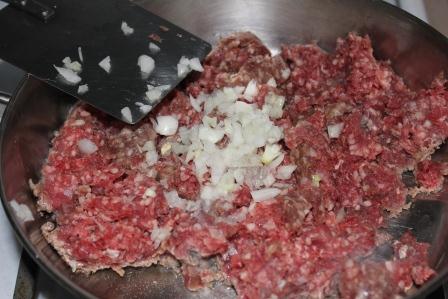
When browning my hamburger, I add a little bit of onion finely chopped so the kids don’t notice it.

While the hamburger is cooking, I wash my lettuce and place in my salad spinner. Again, the salad spinner is a must have tool. By spinning the moisture off my washed lettuce I find that it keeps longer in my refrigerator.

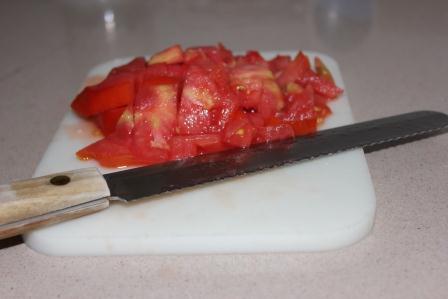
When slicing tomatoes, I have found that using a serrated knife works great. No more smashed tomatoes. I have a designated cutting board in my kitchen for all vegetables and fruits and a totally separate cutting board set aside for only meats. Just an extra safety precaution in our kitchen. Keeping foods separate to avoid cross contamination.

Homemade salsa from last year is a delicious addition to this meal.

Lazy taco – enjoy with your favorite dressing. Add a side of fruit and a glass of milk, and you have a well-balanced, colorful and fun meal for the family.


Blessings

Blessings


The crops are loving this rain, heat and humidity. They are growing like crazy. Good news for our shareholders. The peas are blooming and from these flower blossoms will grow our sugar snap peas!

The crops are loving this rain, heat and humidity. They are growing like crazy. Good news for our shareholders. The peas are blooming and from these flower blossoms will grow our sugar snap peas!

Blessings come in many ways.  This past week, we have had nearly 3 inches of rain with heat and humidity that encourages plant growth. The storms that came through blew down a few large branches,  but thankfully didn’t damage the crops.

We were also blessed this weekend to go through the Living with the Land ride at Walt Disney World’s Epcot (sorry for my blurry photos…this was a boat ride with camera operator in tired mom mode). It was an interesting display on innovations in agriculture growing food using resources wisely while integrating new technologies to produce food sustainably to feed the growing world population. The farmers I know seek first to understand these technologies while striving for continuous improvement to pass family farms on to future generations.

For me, it was fun to see our kids interested in all that was shared on this ride. They were figuring out how we to could use what was learned to apply to Harner Brothers CSA.

Garden Science

Potato bugs have reappeared. So we are again spending family bonding time picking the bugs and the eggs off of the potatoes and tomato plants.

Potato bugs have reappeared. So we are again spending family bonding time picking the bugs and the eggs off of the potatoes and tomato plants.

The potato bugs evidently appreciated the rain,  humidity and heat. Their activity level increased dramatically. This week, we did need to spray an insecticide targeted to kill the potato bugs. Please know that we use this to protect the crop to grow the food.

We feel safe using the insecticide knowing the stringent testing and approval process insecticides go through in order to be approved to be used according to U.S. Government regulations. For example a wasp spray is an insecticide. We also have to be certified and go through testing and have a pesticide applicator license in order to apply the insecticide according to government regulations.

Our family will be out searching for the adult bugs that may have survived because of their hard outer shell which protects the adults like a coat of armor protecting than them from insecticides. We will pick them off the plants to protect the plant from completely being eaten by these insects that can devastate a crop.

Boxes of Produce

This list is prepared before we harvest your share. Some guesswork is involved! We do our best to predict which crops will be ready to harvest, but sometimes crops are on the list that are not in the share, and sometimes crops will be in the share even though they’re not on the list. Remember food safety in your kitchen when preparing, always wash your hands before working with your produce and always wash your produce before eating.


Asparagus from Chute's Farm - delicious!

Asparagus from Chute’s Farm Fresh Gardens – delicious!

Asparagus – Fresh cut asparagus from the Chute’s Farm Fresh Gardens in Aitkin, Minnesota. These farmers are friends of ours who we know from Farm Bureau and also the Minnesota Agriculture and Rural Leadership Program. We are nearing the end of this crop. Enjoy! Learn the history of asparagus on America’s Heartland.

Black Seeded Simpson Lettuce – One of my favorite garden crops. Some of the crops are ran under cold well water to take the field heat off of them so they last longer in your refrigerators. They are not washed – just cooled. So remember to wash your vegetables before eating. See how lettuce is grown throughout the year so it is available in our grocery stores even on our cold Minnesota days.

Prizeleaf Lettuce

Prizeleaf Lettuce

Prizeleaf and Red Oak Leaf Lettuce – I love these beautiful lettuces – Prizeleaf is green with reddish tips and Red Oak Leaf is a red lettuce leaf. They add such a wonderful color to salads and sandwiches.

Spinach

Spinach

Spinach – remember to wash before eating.

Beet The beets are Dark Detroit Red Beets.

Beet Leaves – The beet  eaves are Bull’s Blood Beets which are young plants that we are thinning out of the rows – eat the whole plant in a salad – delicious. It will add color and nutrition to your salads.  Note: In the bag with the spinach.

Radishes – French Breakfast radishes this week – a taste for your salads.

Herb – cilantro – While we realize some of you have cilantro in your herb pots, we recognize some of you don’t and some of you simply love cilantro.

Fresh cut arrangement – Spirea flowers and hosta leaves

Recipe of the Week

Omelet

2 eggs

2 tbsp. milk

1/8 tsp. salt

Dash pepper

1 tsp. butter

Fillings: meat, cheese, garden veggies

Beat eggs, milk, salt and pepper in small bowl until blended.

Melt butter in 6 to 8-inch nonstick omelet pan or skillet over medium heat until hot. TILT pan to coat bottom. Pour in egg mixture. Mixture should set immediately at edges.

Gently push cooked portions from edges toward the center with inverted turner so that uncooked eggs can reach the hot pan surface. Continue cooking, tilting pan and gently moving cooked portions as needed.

When top surface of eggs is thickened and no visible liquid egg remains, place filling on one side of the omelet. Cover the omelet for about 30 seconds until cheese is melted then fold omelet in half with turner as you flip it onto your plate. Garnish with parsley and cheese. Enjoy!


This week, we finished the last of the harvest before the freeze warning. We then donated 17 chickens, 60 pounds of cabbage and a huge basket of Habenero peppers to the food shelf.

This past week, we finished the last of the harvest before the freeze warning. We then donated 17 chickens, 60 pounds of cabbage and a huge basket of Habenero peppers to the food shelf.

While the CSA deliveries may have ended our preparation for the colder weather hasn’t. The last of the crops have been harvested and what remained was brought into the food shelf. It was fitting that the night before the Bible story the boys selected was The Good Samaritan. While we talk about the importance of helping others, I don’t know if they fully comprehend the importance of what they are sharing. We are grateful that we have the opportunity to give back.

This past week, as I watched our neighbors and our family harvesting, I was reminded of how many people don't realize that they too farm to feed the hungry and was reminded of a conversation with my Dad where he said that he has farmed for over 50 years to make sure people weren't die from hunger. Yet with a growing world population this is a constant topic amongst all of us in agriculture - how to feed a growing world population sustainably.

As I watch our neighbors and our family harvesting, I am reminded of how many people don’t realize that the farmers I know also farm to feed the hungry to prevent an estimated 25,000 from dying from hunger every day. I was reminded of a conversation with my Dad when we discussed this where he said, with great sadness in his voice, that he has farmed for over 50 years to make sure people weren’t dying from hunger. Yet with a growing world population this is a constant topic discussed in agriculture – how to feed a growing world population sustainably.

Our community outreach and sharing our story doesn't end when the growing season is done. We had a great opportunity to share our story with students of the Minnesota State School of the Deaf. We brought in herbs and vegetables that we grow to use in pizza sauce.

Harner Brothers CSA community outreach and sharing our story doesn’t end when the growing season is done. We had a great opportunity to share our story with students of the Minnesota State School of the Deaf. We brought in herbs and vegetables that we grow to use in pizza sauce. We were also able to share some carrots and tomatoes with the students.

Garden Science

The popcorn has been harvested and is drying down.

While the popcorn has been harvested, we are waiting for it to dry down so that is will actually pop.

People have been fascinated by popcorn for centuries. Some Native Americans believed that a spirit lived inside each kernel of popcorn. When heated, the spirit grew angry and would eventually burst out of its home and into the air as a disgruntled puff of steam. A less charming but more scientific explanation exists for why popcorn pops.

Popcorn is scientifically known as Zea mays everta. It’s a type of maize, or corn, and is a member of the grass family.  Popcorn is a whole grain and is made up of three components: the germ, endosperm, and pericarp (or hull). Of the 4 most common types of corn—sweet, dent (also known as field), flint (also known as Indian corn) and popcorn—only popcorn pops!  Popcorn differs from other types of corn in that its hull has just the right thickness to allow it to burst open.

Each kernel of popcorn contains a small drop of water stored inside a circle of soft starch. Popcorn needs between 13.5-14% moisture to pop. The soft starch is surrounded by the kernel’s hard outer surface.

As the kernel heats up, the water begins to expand. Around 212 degrees the water turns into steam and changes the starch inside each kernel into a superhot gelatinous goop. The kernel continues to heat to about 347 degrees. The pressure inside the grain will reach 135 pounds per square inch before finally bursting the hull open.

As it explodes, steam inside the kernel is released. The soft starch inside the popcorn becomes inflated and spills out, cooling immediately and forming into the odd shape we know and love. A kernel will swell 40-50 times its original size!

Source: The Popcorn Board

Recipe of the Week

Thanks to one of our shareholders for sharing her freezer coleslaw recipe. Hope this helps some of you that may still have that cabbage hanging around in the refrigerator.

Freezer Cole Slaw

From: Fern Vesledahl

1 quart chopped cabbage

1/2 cup chopped green pepper

1/2 cup chopped red pepper (optional)

Combine above 3 ingredients. Add 2 cups water, 2 Tablespoons salt. Refrigerate at least 2 hours or overnight. Drain, rinse and add 3 cups celery and syrup.

Syrup – makes 1 1/2 cups

1 cup sugar

1/2 cup vinegar

1/2 cup water

1 Tablespoon mustard seed

Combine ingredients for syrup, boil and cool. (This syrup keeps indefinitely in the refrigerator.)

Note: Add green pepper and celery according to what is on hand. A small can of chopped pimento maybe used if no fresh is on hand.

Make a double recipe it keeps a long time and stays crisp and freezes well. Thaw before using. Freeze in large mouth pint jars.