Learning by Doing

Learning by Doing

This week is fair week in our house. Those that have been involved in county fairs realize this means chaos and exhaustion by everyone in the household. Some may wonder why we put ourselves through this. The short answer is we participate because our kids are in 4-H. The longer answer is: our kids are members of 4-H because we know it builds lifelong friendships, provides unique personal growth opportunities and the kids learn by doing.

The boys brought general projects and are showing animals. Some of their general projects like photography and shop projects could be done ahead of time. Projects like livestock are conducted over several months, over the period of the lifetime of the animal, and some general projects need to be done as close to project judging time as possible such as foods and vegetable gardening.

Sam sharing his Cloverbud general projects with a judge.

Sam sharing his Cloverbud general projects with a judge.

Sam's photo off of our deck following one of the recent storms. He framed the photo and said he like the different colors in the picture and if you look closely that you can see that the roads form different letters. Appreciate how he made me step back and look at his photo through a different lense - a good life lesson.

Sam’s photo that he was sharing with the judge was taken from our deck following one of the recent storms. He framed the photo and said he liked the different colors in the picture and if you look closely that you can see that the roads form different letters. I appreciate how he made me step back and look at his photo through a different lense – a good life lesson.

One of Keith's one hundred photos that sparked his idea for a theme of 4 on roads. The judge said she appreciated his perspective and understanding that you don't always have to take a photo standing up and that he chose a different perspective in how to look at his surroundings.

One of Keith’s one hundred photos that sparked his idea for a theme of four photos on roads. The judge said she appreciated his perspective and understanding that you don’t always have to take a photo standing up and that he chose a different perspective in how to look at his surroundings.

Allowing the kids to complete projects with minimal guidance does take patience for both parties involved, but it allows the kids to grow. For example, learning that sometimes you need to take over 100 photos to get four really good ones that you are happy with or being persistent to find the proper way to display an item such as vegetables.

Through this journey, they are learning the value of mentorship and seeking out others that are experts or have experiences in project areas helps them to understand the value in building a community of support. Thank you to all who have been willing to help. As parents, we see the personal growth, and the humbleness they demonstrate in learning from others.

As project judging time arrived, the kids said they were nervous about the judging. Through the judging process, they learned to shake hands before and after their interviews, remove their hats when conducting their interviews and say thank you at the end of their judging. Once completed, they said it was really fun, and they were so appreciative of how helpful the judges were in teaching them more about their projects and truly seeing what they had learned by doing.

Preparing for the vegetable project was a challenge as we didn't quite know how to properly display the vegetables for a blue ribbon display. After looking at the vegetable and potato displays last year, Keith said he wanted to bring them. He was very nervous for this judging, but as you can see he enjoyed his discussion with the judge who was very helpful in helping us both understand the vegetable project and potato project. Keith was ecstatic to receive Reserve Champion in his potato project and Honorable Mention with his Vegetable Project.

Preparing for the vegetable project was a challenge as we didn’t quite know how to properly display the vegetables for a blue ribbon display. After looking at the vegetable and potato displays last year, Keith said he wanted to bring them. He was very nervous for this judging, but as you can see he enjoyed his discussion with the judge who was very helpful in helping him to understand the vegetable project and potato project. Keith was ecstatic to receive Reserve Champion in his potato project and Honorable Mention with his Vegetable Project.

As a parent living in the chaos of fair week and in my exhaustion, I question whether it is worth it. But I am reminded by take away comments and gestures throughout each day of the fair.

As Keith was selecting his pen of two laying hens and was contemplating the final decision, he said, “Mom today isn’t about winning. It is about learning.”

I asked Sam how it went in the show arena, and how did it go answering the judges questions. He responded with a big grin, “I got the best ribbon I could get – a green.” As a 4-H Cloverbud, they all receive green participation ribbons as an opportunity to learn by doing, to gain confidence in learning that participating, learning and having fun – is the most important thing.

Yesterday, the boys washed their 4-H chickens and pig – together, no fights simply building self-confidence and experiencing new things together. As the day came to a close, I complimented them on how well they worked together. They looked at each other and said, “Yes we did, and it was fun.” The working together carried over to the fair in their pride in caring for their animals and showing them to the fairgoers.”

So from this exhausted parent to other exhausted parents, 4-H and participating in the county fair is definitely worth the investment of time and effort. Watching your kids Learn by Doing is priceless. After all, in the end it is not about the blue ribbon it is about raising a blue ribbon kid.

Garden Science

Did you know that we are still planting seeds in the a garden? These will be some of the last crops planted this year. The plan is for these to reach maturity the last few weeks of the growing season and hoping to have a later frost.

Tilling up another area to replant with the final round of lettuce, spinach, kohlrabi and cucumbers.

Tilling up another area to replant with the final round of lettuce, spinach, kohlrabi and cucumbers.

This weekend we replanted peas and reinstalled the pea fence that had been twisted a bit in some earlier storm winds.

This weekend we replanted peas and reinstalled the pea fence that had been twisted a bit in some earlier storm winds.

Boxes of Produce

This list is prepared before we harvest your share. Some guesswork is involved! We do our best to predict which crops will be ready to harvest, but sometimes crops are on the list that are not in the share, and sometimes crops will be in the share even though they’re not on the list. Remember food safety in your kitchen when preparing, always wash your hands before working with your produce and always wash your produce before eating. Some of the crops are ran under cold well water to take the field heat off of them so they last longer in your refrigerators. They are not washed – just cooled. So remember to wash your vegetables before eating. 

Black Seeded Simpson Lettuce – Are you having challenges storing your lettuce? This is what I do. Wash it, place in a salad spinner, drain the water off the salad spinner, spin again and then place in a plastic bag in my vegetable crisper. It lasts me the full week or more.

Prizeleaf and Red Oak Leaf Lettuce – I love these beautiful lettuces – Prizeleaf is green with reddish tips and Red Oak Leaf is a red lettuce leaf. They add such a wonderful color to salads and sandwiches.

Spinach  – The spinach is in the lettuce salad mix this week. It doesn’t like the heat we have been receiving.

Green Beans

Green Beans

Green Beans – Plenty are growing – let us know if you would like any to can or freeze. Here are some recipe ideas.

Carrots – Some beautiful purple carrots this week.

Sugar Snap Peas – A new crop is in.

Kale – Here are some recipes for this vegetable. Two varieties Dwarf Blue Curled Vates and Ursa Kale.

Kohlrabi – You either have a purple or green kohlrabi in your box. Peel it and eat it like an apple.

Beets –  Dark Detroit Red Beets – Learn how to cook beets here.

Watermelon Radish

Watermelon Radish

Radishes – Watermelon radishes – let us know what you think about this vegetable.

Golden Egg Hybrid Summer Squash –  The best-tasting squash in Burpee’s taste trials for 2 years in a row.

Zucchini – The zucchini is growing like crazy. Learn how to save it for use during the cold winter months From the Farm Table and try some of the recipe ideas from Martha Stewart.

Onions – Yellow Candy – These onions are beautiful. Enjoy!

Cucumbers

Cucumbers

Cucumbers – Enjoy these in your box. Let us know if you are interested in canning quantities and dill for pickles.

Fresh Basil – some of you have basil in your herb pots and some do not. Check out these basil ideas.

Fresh Dill

Fresh cut arrangement – Zinnias and sunflowers

Recipe of the Week

Chocolate Zucchini Bread Recipe

Ingredients

2 cups sugar

1 cup applesauce

3 large eggs

3 teaspoons vanilla extract

2-1/2 cups all-purpose flour

1/2 cup baking cocoa

1 teaspoon salt

1 teaspoon baking soda

1 teaspoon ground cinnamon

1/4 teaspoon baking powder

2 cups shredded peeled zucchini

1/4 miniature chocolate chips (optional)

Directions

  1. In a large bowl, beat the sugar, applesauce, eggs and vanilla until well blended. Combine the flour, cocoa, salt, baking soda, cinnamon and baking powder; gradually beat into sugar mixture until blended. Stir in zucchini. Transfer to two 8-in. x 4-in. loaf pans coated with cooking spray.
  2. Bake at 350° for 50-55 minutes or until a toothpick inserted near the center comes out clean. Cool for 10 minutes before removing from pans to wire racks to cool completely. Yield: 2 loaves (12 slices each)


Stand up, Stand Tall

Stand up, Stand Tall

Welcome Minnie and Daisy to the farm.

Welcome Minnie and Daisy to the farm. Barn cats play an important part of controlling field mice and other rodents around our place. As you can tell, we all love having these kittens around.

Thank you to everyone who expressed concern over how our crops fared the storms. We are happy to share (see photo below) that they have recovered as much as can be expected. They have stood back up, standing tall and looking like a crop is in their future. I shared the photos last week as an opportunity to help everyone better understand what happens to farmers’ crops when storms roll through.

One comment from our blog post sticks out – “After all my years of farming, one thing I have learned, is that we do everything we can to ensure that the crop we put in the ground will grow and reap a harvest with whatever weather conditions Mother Nature gives us. If you were thinking positively when you planted it, chances are…it will be ok.”

This comment reminded me that farming presents more learning lessons than one realizes. In fact, it reminds me a lot of life and parenting. We do all we can to ensure that we are helping our children grow up to be productive, loving and caring people who provide back to this world more than they have been given. We think positively about their future. While we are preparing them, similar to preparing to growing a crop, we do the best we can hoping that whatever storms come their way in life that they to, like the corn, will stand back up, stand tall and reap a productive lifetime.

Garden Science

This is a photo of the top of the corn plant last week.

This is a photo of the top of the corn plant last week. Take time to check out the different plants. They really are unique.

The ornamental corn leaf feels different then the...

The ornamental corn leaf feels different then the…

broom corn leaf...

broom corn leaf…

then the field corn leaf. All are unique to the type of corn variety that it is.

then the field corn leaf. All are unique to the type of corn variety that it is.

Great news. All types of corn are standing back up on their own. When I refer to types I mean: sweet corn, field corn, ornamental corn, broom corn and popcorn. Corn genetics are an amazing thing. Thanks to plant scientists these plant varieties were able to withstand that strong wind and straighten back up to keep on growing. I think it also helped that we were all praying for this to happen. God is good!

Great news. All types of corn are standing back up and standing tall on their own. When I refer to types I mean: sweet corn, field corn, ornamental corn, broom corn and popcorn. Corn genetics are an amazing thing. Thanks to the plant scientists, these plant varieties were able to withstand that strong wind and straighten back up to keep on growing. I think it also helped that we were all praying for this to happen. God is good!

Boxes of Produce

This list is prepared before we harvest your share. Some guesswork is involved! We do our best to predict which crops will be ready to harvest, but sometimes crops are on the list that are not in the share, and sometimes crops will be in the share even though they’re not on the list. Remember food safety in your kitchen when preparing, always wash your hands before working with your produce and always wash your produce before eating. Some of the crops are ran under cold well water to take the field heat off of them so they last longer in your refrigerators. They are not washed – just cooled. So remember to wash your vegetables before eating. 

Black Seeded Simpson Lettuce – With a lot of lettuce in your boxes, check out Martha Stewart’s lettuce salad recipes or this potluck taco idea for picnics and family gatherings. 

Prizeleaf and Red Oak Leaf Lettuce – I love these beautiful lettuces – Prizeleaf is green with reddish tips and Red Oak Leaf is a red lettuce leaf. They add such a wonderful color to salads and sandwiches.

Spinach and Beet Leaves – We thinned our beets and have combined them with the spinach for a healthy salad mix.

Carrots

Carrots

Carrots – Some beautiful carrots this week.

Kale – Here are some recipes for this vegetable. Two varieties Dwarf Blue Curled Vates and Ursa Kale.

Kohlrabi

Kohlrabi

Kohlrabi – You either have a purple or green kohlrabi in your box.

Beet –  Dark Detroit Red Beets – Learn how to cook beets here.


Picking green beans can literally be exhausting.

Picking green beans can literally be exhausting.

Green Beans – Plenty are growing – let us know if you would like any to can or freeze. Here are some recipe ideas.

Watermelon Radish

Watermelon Radish

Radishes – Watermelon radishes – let us know what you think about this vegetable.

Golden Egg Hybrid Summer Squash –  The best-tasting squash in Burpee’s taste trials for 2 years in a row.

Quite the zucchini and summer squash harvest this week.

The zucchini and summer squash harvest this week.

Zucchini – The zucchini is growing like crazy. Learn how to save it for use during the cold winter months From the Farm Table and try some of the recipe ideas from Martha Stewart.

Onions – red onions – These onions took a beating in the storms. They had stopped growing so we harvested them this week.

Fresh Basil – some of you have basil in your herb pots and some do not. Check out these basil ideas.

Fresh cut arrangement – Zinnias

Recipe of the Week

Cinnamon Zucchini Bread

Cinnamon Zucchini Bread

Cinnamon Zucchini Bread

Ingredients

3 Eggs, beaten

1 cup Sugar

1 cup Brown Sugar

1 cup applesauce

3 cups Flour (opt: substitute 1 cup Whole Wheat Flour)

1 tsp Baking Soda

1 tsp Salt

1/4 tsp Baking Powder

1/4 tsp Cinnamon

2 cups Zucchini, shredded

Shredding zucchini is super easy and fun with this salad shooter.

Shredding zucchini is super easy and fun with this salad shooter.

Instructions

Beat together the eggs, sugars and applesauce.

Stir together all the dry ingredients and add to the egg-sugar mixture. Stir in the shredded zucchini.

Coat four mini loaf pans with cooking spray. Sprinkle sugar on the bottom. Pour batter evenly in all four pans. Sprinkle tops with sugar.

Bake at 325 degrees for 45-50 minutes, or until toothpick comes out clean.

Science Abounds

Science Abounds

Science abounds in agriculture that is why science experiments are a constant in agriculture and on our farm. We are always trying to learn and grow from what we are doing. Constantly trying to improve on what has been done before. Two experiments this year are cover crops and strip cropping.

Garden Science

Photo shows the area where we have planted the vines between the strips of rye grass/rapeseed.

Photo shows the area where we have planted the vines between the strips of rye grass/rapeseed.

What is a Cover Crop? Cover crops are plants sown to form a living mulch and are planted to provide seasonal soil cover on cropland when the soil would otherwise be bare—i.e., before the crop emerges in spring or after fall harvest.

Cover crops help reduce soil erosion and keep weeds in check. When cover crops are turned into the soil to provide organic matter and nutrients, they’re called “green manures.”

Common cover crops in Minnesota include rye and other small grains, buckwheat and hairy vetch. They are best suited to areas of the state with plenty of water available in the soil for both the cover crop and the main crop. Using cover crops in Minnesota can be difficult because of the small window of opportunity to establish them to grow. Minnesota farmers have nonetheless found creative ways to utilize cover crops.

What is Strip Cropping? Strip cropping is a method of farming which involves cultivating a field partitioned into long, narrow strips which are alternated in a crop rotation system. It is used when a slope is too steep or when there is no alternative method of preventing soil erosion.

We decided to leave some strips of our cover crops in the field through the growing season as a method of weed control between our rows of vines. It has been interesting to observe both the effects of the strip cropping and the cover crops.

The strip cropping of rye grass and rapeseed began as a cover crop last fall. We tilled the cover crop up this spring which then went into our soil as “green manure” to help provide nutrients for this year’s crops.

We left strips of the cover crop in the field area where we were planting vines. We then planted our vining crops, such as pumpkins, squash, watermelon etc, in the tilled areas.

Observations

1.The rye grass and rapeseed do appear to help control the weed growth and have also seemed to help suppress some of the insect pressure on the vining crops.

2. There was a section because of a later harvest of a crop where we did not plant a cover crop. The weed growth and weed pressure in this area is heavy.

3.We have harvested the rye grass for feed and bedding for our chickens and pigs. This has been a benefit to those animals.

Learn more from the Minnesota Department of Agriculture and from the University of Minnesota Extension.

The Harner Brothers have been raising broilers (meat) chickens (white feathers). The chicken is naturally muscular because of the type of breed. NO hormones were given to the chickens. It is illegal in the U.S. to use growth hormones or steroids in any poultry production. It is interesting to observe how differently the chickens of different breeds grow. The brown feathered chicken is the same age just an egg laying breed so its energy will go into making eggs in a few months vs. into making muscle.

Also related to animal science…The Harner Brothers have been raising broilers (meat) chickens (white feathers). The chicken is naturally muscular because of the type of breed. NO hormones were given to the chickens. It is illegal in the U.S. to use growth hormones or steroids in any poultry production. It is interesting to observe how differently the chickens of different breeds grow. The brown feathered chicken is the same age just an egg laying breed so its energy will go into making eggs in a few months vs. into making muscle.

Boxes of Produce

This list is prepared before we harvest your share. Some guesswork is involved! We do our best to predict which crops will be ready to harvest, but sometimes crops are on the list that are not in the share, and sometimes crops will be in the share even though they’re not on the list. Remember food safety in your kitchen when preparing, always wash your hands before working with your produce and always wash your produce before eating.

Black Seeded Simpson Lettuce – With a lot of lettuce in your boxes, check out Martha Stewart’s lettuce salad recipes. Some of the crops are ran under cold well water to take the field heat off of them so they last longer in your refrigerators. They are not washed – just cooled. So remember to wash your vegetables before eating. 

Prizeleaf and Red Oak Leaf Lettuce – I love these beautiful lettuces – Prizeleaf is green with reddish tips and Red Oak Leaf is a red lettuce leaf. They add such a wonderful color to salads and sandwiches.

Spinach – Remember to wash before eating.

Detroit Dark Red Beets

Detroit Dark Red Beets

Beet –  Dark Detroit Red Beets – Look here to find ways to cook beets and recipes.

Sugar Snap Peas – A healthy harvest for you – eat the pod and the peas. These are a shareholder favorite. You may have noticed peabine’s or pea harvesters in the fields around Northfield. They are harvesting peas for processing – this is a different variety of pea. Fact: Minnesota is the second largest state for growing green peas for processing (meaning the peas will be frozen or canned peas like we buy in the store)

Radishes – French Breakfast radishes – radish recipes.

The carrots are growing well in our raised bed.

The carrots are growing well in our raised bed.

Carrots – Enjoy some fresh carrots. Check out this video on how baby carrots become baby carrots that we buy in the store.

Golden Egg Hybrid - new summer squash variety we are trying this year.

Golden Egg Hybrid – new summer squash variety we are trying this year.

Summer Squash and zucchini – I’m hoping this new variety of golden egg hybrid  will show some more size as the season progresses. Thought that between the zucchini and the golden egg you could have a nice vegetable mixture on your grill over the 4th of July weekend.

White onion - love the braid pattern on their stems.

White onion – love the braid pattern on their stems.

Onions – We had some white and purple onions ready. Enjoy on brats, burgers or in a vegetable dish this weekend. Check out onion harvest in Idaho.

Fresh cut arrangement – hosta leaves, lilies and sweet peas.

Recipe of the Week

Sugar Snap Peas with Sesame Seeds

1 pound sugar snap peas

Dark sesame oil

Black sesame seeds

Kosher salt

Toss sugar snap peas in a bowl with sesame oil, sesame seeds, and kosher salt, to taste. Serve.


Controlling Pests

Controlling Pests

Pest control has consumed our time this week. From weeds to insects, they have been a challenge. Why do we work so hard to control weeds and non-beneficial insects in the garden? It is because they can overtake the crops.

The past few weeks with warmer temperatures, rain and high temperatures created ideal conditions for plants - especially weeds to thrive.

The past few weeks with warmer temperatures, rain and humidity created ideal conditions for plants, especially weeds, to thrive. A lot of time has been spent weeding to ensure there was a crop to harvest. In the forefront, you see the “after weeding” and in the background, is before weeding. Before weeding you could hardly see the crop.

Potato bugs are a nemesis and will completely eat the potato plant down to the stem which in the end will kill the plant. No plant - no potatoes. We did spray the insects this week so they did not decimate the crop. We have our pesticide applicator license. In order to receive this from the Minnesota Department of Agriculture you have to take a test and a class so that you understand how to use these crop tools according to government safety regulations. The insecticides are targeted to the insects. We would not use the insectides if we did not need to. We use them and know based on the research that has been conducted on the insecticides that the food produced by the plants will be safe for our kids to eat.

Potato bugs are a nemesis and will completely eat the potato plant down to the stem which in the end will kill the plant. No plant – no potatoes. The potato bugs shown are younger potato bugs.

We did spray the insects this week so they did not decimate the crop. We have our Minnesota Department of Agriculture pesticide applicator license. In order to receive this, you have to take a test and a class so that you understand how to use these crop protection tools according to government safety regulations. The insecticides are targeted to the insects, and insects are different biologically then humans.

We would not use the insecticides if we did not need to control the insect population. We know, based on the research conducted on the insecticides by government agencies and private industry, that the food produced by the plants will be safe for our kids to eat.

This is what the cucumber beetles have been doing to our vine crops. We have also put insecticide on these plants to protect them from this pest.

This is what the cucumber beetles have been doing to our vine crops. We have also put insecticide on these plants to protect them from this pest.

Something Fun

Continual learning is part of farming. This past week, we went on our yearly 4-H club's farm tour. During the tours, the kids share with attendees of the club and the club members' parents information about their project and what they have learned. In addition to the kids learning from kids, adults learn from the 4-H members and from each other. Keith was fortunate at one of our stops to hold a kid, baby goat.

Continual learning is part of farming. This past week, we went on our yearly 4-H club’s farm tour. During the tours, the kids share with attendees of the club and the club members’ parents information about their project, and what they have learned. In addition to the kids learning from kids, adults learn from the 4-H members and from each other. Keith was fortunate at one of our stops to hold a kid, baby goat. While this isn’t what we have on our farm, seeking first to understand other 4-H projects and farm production methods is part of continuous improvement for ones self and for our farm.

Garden Science

This week is National Pollinator Week. We try very hard to have beneficial insects in the garden to eat the nemesis insects so that we can have active pollinators on our crops. We plant flowers such as 4 o’clock, marigolds, sunflowers, zinnias and pollinator seed packs to bring in pollinators as well as beneficial insects.

Did you know? Many crops such as strawberries, cucumbers, pumpkins and more depend on pollination. Pollinators include honey bees, butterflies birds and more.

Learn more about National Pollinator Week and activities that you can do with your kids from American Farm Bureau Foundation for Agriculture.

Boxes of Produce

This list is prepared before we harvest your share. Some guesswork is involved! We do our best to predict which crops will be ready to harvest, but sometimes crops are on the list that are not in the share, and sometimes crops will be in the share even though they’re not on the list. Remember food safety in your kitchen when preparing, always wash your hands before working with your produce and always wash your produce before eating.

Asparagus – This will be the last of the fresh-cut asparagus from the Chute’s Farm Fresh Gardens in Aitkin, Minnesota. Check out this resource by the Michigan Asparagus. Did you know Michigan is one of the top producing states of asparagus?

Black Seeded Simpson Lettuce – One of my favorite garden crops. Some of the crops are ran under cold well water to take the field heat off of them so they last longer in your refrigerators. They are not washed – just cooled. So remember to wash your vegetables before eating.

Prizeleaf Lettuce

Prizeleaf Lettuce

Prizeleaf and Red Oak Leaf Lettuce – I love these beautiful lettuces – Prizeleaf is green with reddish tips and Red Oak Leaf is a red lettuce leaf. They add such a wonderful color to salads and sandwiches.

Spinach – Remember to wash before eating.

Detroit Dark Red Beets

Detroit Dark Red Beets

Beet The beets are Dark Detroit Red Beets.

Beet Leaves – The beet leaves are Bull’s Blood Beets which are young plants that we are thinning out of the rows – eat the whole plant in a salad – delicious. It will add color and nutrition to your salads.  Note: In the bag with the spinach.

The pea pod grows from the flower. Notice the white flower at the tip of the pod.

The pea pod grows from the flower. Notice the white flower at the tip of the pod.

Sugar Snap Peas – The first of the sugar snap peas are in. You can eat the pod and the peas. These are a shareholder favorite. You may have noticed peabine’s or pea harvesters in the fields around Northfield this past week. They are harvesting peas for processing – this is a different variety of pea. Fact: Minnesota is the second largest state for growing green peas for processing (meaning the peas will be frozen or canned peas like we buy in the store)

Radishes – French Breakfast radishes this week – a taste for your salads or a radish sandwich.

The carrots are growing well in our raised bed.

The carrots are growing well in our raised bed.

Carrots – Enjoy some fresh carrots.

20160622_173915-01

Fresh cut arrangement – hosta leaves

Recipe of the Week

Lazy Tacos

Crush corn chips and layer taco favorites on top such as:

taco meat, onions, black olives, tomatoes, lettuce, cheddar cheese, chilli beans, miscellaneous vegetables, salsa, cottage cheese or salad dressing

Chop onion. I love my Pampered Chef chopper. Great tool for the kitchen!!

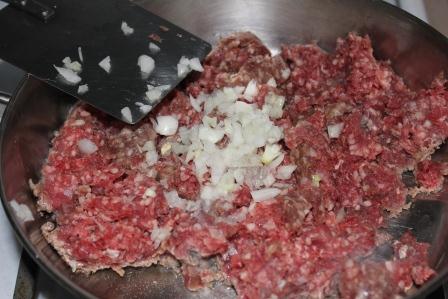
When browning my hamburger, I add a little bit of onion finely chopped so the kids don’t notice it.

While the hamburger is cooking, I wash my lettuce and place in my salad spinner. Again, the salad spinner is a must have tool. By spinning the moisture off my washed lettuce I find that it keeps longer in my refrigerator.

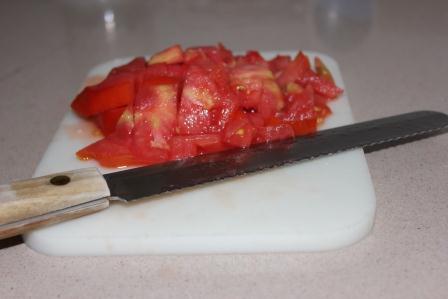
When slicing tomatoes, I have found that using a serrated knife works great. No more smashed tomatoes. I have a designated cutting board in my kitchen for all vegetables and fruits and a totally separate cutting board set aside for only meats. Just an extra safety precaution in our kitchen. Keeping foods separate to avoid cross contamination.

Homemade salsa from last year is a delicious addition to this meal.

Lazy taco – enjoy with your favorite dressing. Add a side of fruit and a glass of milk, and you have a well-balanced, colorful and fun meal for the family.


Blessings

Blessings


The crops are loving this rain, heat and humidity. They are growing like crazy. Good news for our shareholders. The peas are blooming and from these flower blossoms will grow our sugar snap peas!

The crops are loving this rain, heat and humidity. They are growing like crazy. Good news for our shareholders. The peas are blooming and from these flower blossoms will grow our sugar snap peas!

Blessings come in many ways.  This past week, we have had nearly 3 inches of rain with heat and humidity that encourages plant growth. The storms that came through blew down a few large branches,  but thankfully didn’t damage the crops.

We were also blessed this weekend to go through the Living with the Land ride at Walt Disney World’s Epcot (sorry for my blurry photos…this was a boat ride with camera operator in tired mom mode). It was an interesting display on innovations in agriculture growing food using resources wisely while integrating new technologies to produce food sustainably to feed the growing world population. The farmers I know seek first to understand these technologies while striving for continuous improvement to pass family farms on to future generations.

For me, it was fun to see our kids interested in all that was shared on this ride. They were figuring out how we to could use what was learned to apply to Harner Brothers CSA.

Garden Science

Potato bugs have reappeared. So we are again spending family bonding time picking the bugs and the eggs off of the potatoes and tomato plants.

Potato bugs have reappeared. So we are again spending family bonding time picking the bugs and the eggs off of the potatoes and tomato plants.

The potato bugs evidently appreciated the rain,  humidity and heat. Their activity level increased dramatically. This week, we did need to spray an insecticide targeted to kill the potato bugs. Please know that we use this to protect the crop to grow the food.

We feel safe using the insecticide knowing the stringent testing and approval process insecticides go through in order to be approved to be used according to U.S. Government regulations. For example a wasp spray is an insecticide. We also have to be certified and go through testing and have a pesticide applicator license in order to apply the insecticide according to government regulations.

Our family will be out searching for the adult bugs that may have survived because of their hard outer shell which protects the adults like a coat of armor protecting than them from insecticides. We will pick them off the plants to protect the plant from completely being eaten by these insects that can devastate a crop.

Boxes of Produce

This list is prepared before we harvest your share. Some guesswork is involved! We do our best to predict which crops will be ready to harvest, but sometimes crops are on the list that are not in the share, and sometimes crops will be in the share even though they’re not on the list. Remember food safety in your kitchen when preparing, always wash your hands before working with your produce and always wash your produce before eating.


Asparagus from Chute's Farm - delicious!

Asparagus from Chute’s Farm Fresh Gardens – delicious!

Asparagus – Fresh cut asparagus from the Chute’s Farm Fresh Gardens in Aitkin, Minnesota. These farmers are friends of ours who we know from Farm Bureau and also the Minnesota Agriculture and Rural Leadership Program. We are nearing the end of this crop. Enjoy! Learn the history of asparagus on America’s Heartland.

Black Seeded Simpson Lettuce – One of my favorite garden crops. Some of the crops are ran under cold well water to take the field heat off of them so they last longer in your refrigerators. They are not washed – just cooled. So remember to wash your vegetables before eating. See how lettuce is grown throughout the year so it is available in our grocery stores even on our cold Minnesota days.

Prizeleaf Lettuce

Prizeleaf Lettuce

Prizeleaf and Red Oak Leaf Lettuce – I love these beautiful lettuces – Prizeleaf is green with reddish tips and Red Oak Leaf is a red lettuce leaf. They add such a wonderful color to salads and sandwiches.

Spinach

Spinach

Spinach – remember to wash before eating.

Beet The beets are Dark Detroit Red Beets.

Beet Leaves – The beet  eaves are Bull’s Blood Beets which are young plants that we are thinning out of the rows – eat the whole plant in a salad – delicious. It will add color and nutrition to your salads.  Note: In the bag with the spinach.

Radishes – French Breakfast radishes this week – a taste for your salads.

Herb – cilantro – While we realize some of you have cilantro in your herb pots, we recognize some of you don’t and some of you simply love cilantro.

Fresh cut arrangement – Spirea flowers and hosta leaves

Recipe of the Week

Omelet

2 eggs

2 tbsp. milk

1/8 tsp. salt

Dash pepper

1 tsp. butter

Fillings: meat, cheese, garden veggies

Beat eggs, milk, salt and pepper in small bowl until blended.

Melt butter in 6 to 8-inch nonstick omelet pan or skillet over medium heat until hot. TILT pan to coat bottom. Pour in egg mixture. Mixture should set immediately at edges.

Gently push cooked portions from edges toward the center with inverted turner so that uncooked eggs can reach the hot pan surface. Continue cooking, tilting pan and gently moving cooked portions as needed.

When top surface of eggs is thickened and no visible liquid egg remains, place filling on one side of the omelet. Cover the omelet for about 30 seconds until cheese is melted then fold omelet in half with turner as you flip it onto your plate. Garnish with parsley and cheese. Enjoy!


Digging in to Share Science in Agriculture

Digging in to Share Science in Agriculture


Weeding is continuous. Not one of our favorite jobs, but it is a necessary one.

Weeding is continuous. Not one of our favorite jobs, but it is a necessary one. Weeds inhibit the crops to reach their full growing and production potential.

As the boys wrap-up their school year, we also wrapped up some of the agriculture in the classroom projects in their classrooms. They suggested that we share our Kindergarten potato experiment results. The experiments were pretty interesting. Agriculture in the classroom activities provide a great opportunity to share science in the classroom.

Don’t let the learning stop just because summer is here. Check out the Minnesota Agriculture in the Classroom , My American Farm and the American Farm Bureau Foundation for Agriculture websites for resources.

We did an experiment in Sam's kindergarten growing potatoes inside during the colder months in Minnesota to find out where the plant put it's energy and why. This plant put it's energy into growing more leaves above ground and less energy producing potatoes below ground. The plant was 8 foot 3 inches tall and produced 78 pebble sized potatoes.

We did an experiment in Sam’s kindergarten growing potatoes inside during the colder months in Minnesota to find out where the plant put it’s energy and why. This plant put it’s energy into growing more leaves above ground and less energy producing potatoes below ground. The plant was 8 foot 3 inches tall and produced 78 pebble sized potatoes.

Sam next to the potatoes in our garden that have been hilled twice this season. These potatoes will be about 2 feet high by end of season and will produce potatoes the size you find in the grocery store. Potato plants outside during the growing season in Minnesota put their energy into making potatoes below ground versus trying or reach for as much sunlight and warmth as possible like we saw in the kindergarten experiment.

Sam is next to the potatoes in our garden that have been hilled twice this season. These potatoes will be about 2 feet high by end of season and will produce potatoes the size you find in the grocery store. Potato plants outside during the growing season in Minnesota put their energy into making potatoes below ground versus trying to reach for as much sunlight and warmth as possible like we saw in the kindergarten experiment.

Boxes of Produce

This list is prepared before we harvest your share. Some guesswork is involved! We do our best to predict which crops will be ready to harvest, but sometimes crops are on the list that are not in the share, and sometimes crops will be in the share even though they’re not on the list. Remember food safety in your kitchen when preparing, always wash your hands before working with your produce and always wash your produce before eating.

Rhubarb – One pound equals about 3 cups. Wash, cut the ends off, cut off any bad parts damaged by wind, chop into 1/4 – 1/2 inch pieces. No need to peel. You can freeze it in a Ziploc bag (no blanching) and use for months to come. Our family loves it in muffins, breads, jam, pie, crisp, sauce and torte. Check out Taste of Home rhubarb recipe ideas.

Asparagus from Chute's Farm - delicious!

Asparagus from Chute’s Farm Fresh Gardens – delicious!

Asparagus – Fresh cut asparagus from the Chute’s Farm Fresh Gardens in Aitkin, Minnesota. These farmers are friends of ours who we know from Farm Bureau and also the Minnesota Agriculture and Rural Leadership Program. They had some extra they wanted to share with us, and the delivery time worked out well. They snap the asparagus vs. cutting so that you are getting all edible stalk and should have very minimal amount that you do not eat.  Enjoy! Learn the history of asparagus on America’s Heartland.

Black Seeded Simpson Lettuce – One of my favorite garden crops. Some of the crops are ran under cold well water to take the field heat off of them so they last longer in your refrigerators. They are not washed – just cooled. So remember to wash your vegetables before eating. See how lettuce is grown throughout the year so it is available in our grocery stores even on our cold Minnesota days.

Prizeleaf Lettuce

Prizeleaf Lettuce

Prizeleaf and Red Oak Leaf Lettuce – I love these beautiful lettuces – Prizeleaf is green with reddish tips and Red Oak Leaf is a red lettuce leaf. They add such a wonderful color to salads and sandwiches.


Spinach

Spinach

Spinach – remember to wash before eating. A combination of these vegetables will make such a wonderful meal! Check out some Cooking Light’s spinach recipes.

Beet/Beet Leaves – These are young plants that we are thinning out of the rows – eat the whole plant in a salad – delicious. It will add color and nutrition to your salads. Learn more here.

Radishes – French Breakfast radishes this week – a taste for your salads. There should be more next week, but with the projected heat for the weekend, I knew these would grow and split if not harvested for today’s boxes.

Herb – chives – wash then chop up chives into small pieces. I enjoy using them in potatoes on the grill.

Fresh cut arrangement – peonies and hosta leaves

Recipe of the Week

Strawberry Spinach Salad

Strawberry Spinach Salad – Super easy and delicious!

Strawberry Dressing

3 Tablespoons apple juice

2 Tablespoons strawberry spreadable fruit

2 Tablespoons balsamic vinegar

Salad

1 lb boneless skinless chicken breasts

8 cups bite-size pieces spinach

1 cup strawberries, stems removed and strawberries cut in half

1/4 cup crumbled Gorgonzola cheese (1 oz)

1/4 cup chopped walnuts

Directions
  1. In small bowl, mix all dressing ingredients until blended; set aside.
  2. Spray 10-inch skillet with cooking spray; heat over medium-high heat. Cook chicken in skillet 15 to 20 minutes, turning once, until juice of chicken is clear when center of thickest part is cut (170°F). Remove chicken to cutting board.
  3. Add dressing to skillet; stir to loosen any pan drippings.
  4. Cut chicken into slices. Among 4 plates, divide spinach. Top with chicken, strawberries and cheese. Drizzle with dressing. Sprinkle with walnuts.

Source: Taste of Home

The Season Begins

The Season Begins

I was reminded this morning why we do what we do. The boys were both up early as the sun was rising with smiles on their faces, eager to help and knowing what to do. We hope that the values learned with the CSA of teamwork, hard work, seeing ones hard work come to fruition and working together to get a job done will be characteristics that will last a lifetime.

Welcome

Welcome to all of our shareholders. We appreciate the opportunity to work with you and for you throughout the growing season. We work hard to earn your trust and respect in the food that we grow for your families and ours!

All of you should have received an email with more details of dates and specifics with the CSA. We are excited to see the daily changes and growth in the garden. Look for weekly blog posts for guidance throughout the season which will provide you with updates, ideas for your box of produce and recipes.

A lot has been done in the garden this past week including weeding, pest control and planting another crop of sugar snap peas, green beans, beets, carrots, radishes, lettuces and spinach. Sometimes a little stress relief is needed after all of this activity.

A lot has been done in the garden this past week including weeding, pest control and planting another crop of sugar snap peas, green beans, beets, carrots, radishes, lettuces and spinach. Sometimes a little stress relief is needed after all of this activity.

Steve was busy hilling the potatoes this weekend. The potatoes have enjoyed the weather and were already in need of being hilled. Hilling helps the potato growth to occur under ground vs. above ground (thus the greening of the potato). We feel we have a more plentiful harvest when this is done.

Steve hilled the potatoes this weekend. The potatoes have enjoyed the weather and were already in need of being hilled. Hilling helps the potato growth to occur under ground vs. above ground (thus the greening of the potato). We feel we have a more plentiful harvest when this is done.

Garden Science

Did you know that cucumber plants when they emerge from the ground smell just like fresh cut cumbers!

Did you know that cucumber plants when they emerge from the ground smell just like fresh cut cucumbers!

Pick-up and Delivery

Remember that pick-up and deliveries will be on the schedule you have arranged with Harner Brothers CSA – please note the exceptions to this which were in the email.

It is your responsibility to know that the pick-up or drop-off time will occur at the agreed upon time, and it is your responsibility as a shareholder to know this and be responsible for the produce at that time. If you are unable to utilize your share that week, it is still your responsibility: find someone else to pick it up or donate it to the food shelf.

Each box is labeled for each family. The same boxes will be used for your family throughout the season. Boxes and containers should be returned the following week. Bags will only be used once.

Boxes of Produce

This list is prepared before we harvest your share. Some guesswork is involved! We do our best to predict which crops will be ready to harvest, but sometimes crops are on the list that are not in the share, and sometimes crops will be in the share even though they’re not on the list. Remember food safety in your kitchen when preparing, always wash your hands before working with your produce and always wash your produce before eating.

The Harner Bros are the 5th generation to raise this rhubarb originally planted on our family farm and transplanted to this location.

The Harner Bros are the 5th generation to raise this rhubarb originally planted on our family farm and transplanted to this location.

Rhubarb – One pound equals about 3 cups. Wash, cut the ends off, cut off any bad parts damaged by wind, chop into 1/4 – 1/2 inch pieces. No need to peel. You can freeze it in a Ziploc bag (no blanching) and use for months to come. Our family loves it in muffins, breads, jam, pie, crisp, sauce and torte. Check out earlier posts on rhubarb for recipe ideas.

Asparagus – Fresh cut asparagus from the Chute’s Farm Fresh Gardens in Aitkin, Minnesota. These farmers are friends of ours who we know from Farm Bureau and also the Minnesota Agriculture and Rural Leadership Program. They had some extra they wanted to share with us, and the delivery time worked out well. They snap the asparagus vs. cutting so that you are getting all edible stalk and should have very minimal amount that you do not eat.  Enjoy! See how asparagus is harvested in California.

Black Seeded Simpson Lettuce - love eating this in salads and on sandwiches.

Black Seeded Simpson Lettuce – love eating this in salads and on sandwiches.

Black Seeded Simpson Lettuce – One of my favorite garden crops. Some of the crops are ran under cold well water to take the field heat off of them so they last longer in your refrigerators. They are not washed – just cooled. So remember to wash your vegetables before eating. See how lettuce is grown throughout the year so it is available in our grocery stores even on our cold Minnesota days.

Prizeleaf and Red Oak Leaf Lettuce – I love these beautiful lettuces – Prizeleaf is green with reddish tips and Red Oak Leaf is a red lettuce leaf. They add such a wonderful color to salads and sandwiches.

Spinach – remember to wash before eating. A combination of these vegetables will make such a wonderful meal! Check out some of Martha Stewart’s spinach recipes.

Beet leaves -good in your salad greens. Beets will be forthcoming later in June.

Beet leaves – good in your salad greens. Beets will be forthcoming later in June.

Beet/Beet Leaves – These are young plants that we are thinning out of the rows – eat the whole plant in a salad – delicious. It will add color and nutrition to your salads. Learn more here.

Herb – chives – wash then chop up chives into small pieces. I enjoy using them in potatoes on the grill.

Herbs, Peonies and Iris

Herbs, Peonies and Iris

Herbs pots – includes three of one of the following: thyme, rosemary, sweet basil, parsley, cilantro, arugula or sage.

Fresh cut arrangement – peonies and iris’


Recipe of the Week

Rhubarb Jam

Mix together and set aside until a juice forms

6 cups rhubarb sliced into 1/4 to 1/2 inch pieces

3 cups sugar

Next:

Add one can of pie filling (cherry, raspberry, blueberry, strawberry)

Cook these ingredients for 20 minutes. Remove from heat and add 1 package of 3 oz jello (use Jello that is of the same flavor as the pie filling). Mix well. Pour into containers. Refrigerate or freeze.

Rhubarb jam - I make strawberry rhubarb, blueberry rhubarb, cherry rhubarb and raspberry rhubarb. Enjoy, it is a delicious treat!

Rhubarb jam – I make strawberry rhubarb, blueberry rhubarb, cherry rhubarb and raspberry rhubarb. Enjoy, it is a delicious treat!

Sharing our Farm Story

Sharing our Farm Story

The past few months have been filled with a variety of Agriculture in the Classroom activities. We had the pleasure of being part of the Minnesota Agriculture in the Classroom farm family program and being connected to a K-3rd grade school. As part of this partnership the Minnesota Department of Agriculture and the Minnesota Agriculture in the Classroom made these videos available for the school classrooms.

Seed in Need

One of the school kindergarten classroom activities included reading a Seed in Need and planting different types of potatoes.

potatoes

As part of the classroom activity, one group of the potatoes was started in soil, and another group was started with toothpicks in a cup of water with some of the potato in water. Students were to graph which potatoes started growing first and observe the differences. The potatoes have since been transplanted into a larger container within the classroom. The students will be observing where the plant puts its energy during the winter time in Minnesota on the top of the plant or on the bottom growing potatoes. We will be digging potatoes towards the end of the school year.

We also incorporate agriculture into some of our Sunday School lessons. The kids love this project talking about God's bounty and the beauty found in seeds grown on our family's farms.

We also incorporate agriculture into some of our Sunday School lessons. The kids love this project talking about God’s bounty and the beauty found in seeds grown on our family’s farms.

We also have incorporated both of these books into lessons. "How to Make a Apple Pie and See the World" provides a great opportunity to talk about geography. "The Apple Orchard Riddle" is great in the classroom or for a Sunday school lesson. The Minnesota Agriculture in the Classroom and the American Farm Bureau Foundation have great resources to enhance both of these books.

We also have incorporated both of these books into lessons. “How to Make an Apple Pie and See the World” provides a great opportunity to discuss geography. “The Apple Orchard Riddle” is great in the classroom or for a Sunday School lesson. The Minnesota Agriculture in the Classroom and the American Farm Bureau Foundation have great resources to enhance both of these books.

20160322_121325

In March, we visited our adopted K-3rd grade school. We read the book “Tops and Bottoms,” showed them some of our chickens and did the garden in the glove activity. This is a view of a classroom from outside of the school at the conclusion of our day. Check out all of the gardens in the glove projects soaking up the sun.

20160322_154214 (2)

Our family together with a few of my coworkers enjoyed our time at the elementary school sharing our story of agriculture and engaging the teachers and the students in good conversations about where and how food is grown. The bonus: one of the hens laid an egg in front of one of the classrooms during the presentation. The students were over the top excited to see one of the many every day things we take for granted on our farm.

Dance like no one’s watching

Dance like no one’s watching

Pumpkins etched with Care for your Families. Thank you for being a member of our CSA!

Pumpkins etched with Care for your Families. Thank you for being a member of our CSA!

The other night when we were working, I had the Happy station playing on Pandora. The songs were those that made you want to sing and dance. So the boys and I were singing and dancing like no one was watching. Their smiles and laughter were contagious, and the stress and our exhaustion from our days seemed to be pushed away.

It reminded of me of picking rock when I was growing up. Those were some long days in the field. Rock picking can be long, hot, boring work, but when we blared the radio on the tractor, the singing and the dancing ensued and laughter followed.

As we push for our fall cleanup to be completed, it’s these moments that I want to freeze in time. Time to be crazy, time to accomplish, time to learn and explore and time to have fun, all as a family.

Remember in the end, your kids simply want to laugh and play with you and dance like no one is watching.

Garden clean-up has begun. The boys used a shredder to break down the plants so that we can incorporate them into the soil.

Garden clean-up has begun. The boys used a shredder to break down the plants so that we can incorporate them into the soil.

Garden Science

So are you wondering how the names are created on your pumpkins? It begins at the end of July/beginning of August.

The boys carefully select pumpkins that they think go with the amount of letters in your last name and a pumpkin that will grow to be a nice size for your front porch.

The boys carefully select pumpkins that they think go with the amount of letters in your last name, and a pumpkin that will grow to be a nice size for your front porch.

Then using their great-great grandpa's wood working tools that were hand carved, they carefully etch out your last names in the pumpkin. This will then appear as a

Then using their great-great grandpa’s wood working tools that were hand carved, they carefully etch out your last names in the pumpkin. This will then appear as a “scar” on the skin of the pumpkin. A great way for the boys to work on their spelling, their letter writing and how to work gently with a young plant.

Boxes of Produce

This list is prepared before we harvest your share. Some guesswork is involved! We do our best to predict which crops will be ready to harvest, but sometimes crops are on the list that are not in the share, and sometimes crops will be in the share even though they’re not on the list. Remember food safety in your kitchen when preparing, always wash your hands before working with your produce and always wash your produce before eating.

Some of the crops are ran under cold well water to take the field heat off of them so they last longer in your refrigerators. They are not washed – just cooled. So wash your vegetables before eating.

Lettuce and Spinach – Enjoy this mix on some BLTs or salads.

Carrots – We are having a healthy crop. Hope you are enjoying them.

Green Beans – A little taste – We were surprised that the new crop of green beans and sugar snap peas were not quite ready. Both are blooming and those blooms will grow into the vegetables. Hoping next week.

Broccoli – Broccoli for your salads.

Kohlrabi – Maybe one more week??

Beets – Enjoy the beets before they are all harvested.

Yellow Onions

Cucumbers – Enjoy the “ugly” cucumbers:) The tail end of the cucumbers.

Peppers – A few green peppers with the small Habanero peppers. Choose a few tonight. Fun facts about peppers.

Tomato varieties abound.

Tomato varieties abound.

Tomatoes – Tomato varieties included in your boxes: Yellow Girls, Honey Delights, Big Boys, Roma, Fourth of July, Big Mammas, Honey Delights, Amish Paste and cherry tomatoes. The tomato crop is quickly slowing down. Let us know if you would like any to freeze or can.

Potatoes – Midnight Moon and Masquerade in your box this week. Additional varieties will reappear next week. Learn more about potatoes here.

We broke of the bad parts of the corn that had ear worm. Then boiled the good sweet corn for about 8-10 minutes and cut off the corn to freeze and enjoy throughout the year.

We broke of the bad parts of the corn that had ear worm. Then boiled the good sweet corn for about 8-10 minutes and cut off the corn to freeze and enjoy throughout the year.

Sweet Corn – After finding the earworm in way to many ears, this crop was shredded and will be incorporated into the soil to build soil health. We are looking into our options to prevent this pest next year while providing more sweet corn for your families to enjoy. We did salvage the good part of our ears, boiled them for 8-10 minutes in boiling water, cut the corn off the ears and froze the corn for us to enjoy the rest of the year.

Basil – Pull a plant, replant in your garden or use it fresh.

Melons – Choice of watermelon or cantaloupe. This is the end of the crop. Enjoy!

The boys had a great time harvesting your name pumpkins.

The boys had a great time harvesting your name pumpkins.

Pumpkins – The boys enjoyed etching your names into the young pumpkins a few weeks ago. So while they may not look exactly perfect, please know they were done with much joy for each of your families by the boys to show gratitude for your families to enjoy this fall.

What a variety of gourds we have this year. These two resembled snakes. We hope you enjoy your share. Look for more next week.

What a variety of gourds we have this year. These two resembled snakes. We hope you enjoy your share. Look for more next week.

Gourds – A variety of them abound from Baby Boos to egg gourds to Jack-Be-Littles and more. Enjoy your share this week and look for more next week.

The ornamental corn colors are beautiful.

The ornamental corn colors are beautiful.

Fresh cut arrangement – Ornamental corn – one bunch for each of you. This crop was beat up by winds and a few storms this year. We plan to increase the amount of plants planted next year.

Recipe of the Week

Butternut Squash

A family favorite! I freeze and use throughout the year in recipes that call for pumpkin.

1. Using a butcher knife, split the squash in half lengthwise. Place in a cake pan, put about 1/4 - 1/2 inch of water. Cover with aluminum foil and bake for at least an hour at 350 degrees Fahrenheit. 2. Remove from oven. peel off the skin using a knife or turn it over and scoop out cooked squash. Scoop out and remove the seeds - discard (seeds could be cooked using a pumpkin seed recipe). 3. Place cooked squash in bowl with 1/2 cup of stick butter and 3/4 cup of brown sugar. Mix and enjoy.

1. Using a butcher knife, split the squash in half lengthwise. Place in a cake pan, put about 1/4 – 1/2 inch of water. Cover with aluminum foil and bake for at least an hour at 350 degrees Fahrenheit.
2. Remove from oven. peel off the skin using a knife or turn it over and scoop out cooked squash. Scoop out and remove the seeds – discard (seeds could be cooked using a pumpkin seed recipe).
3. Place cooked squash in bowl with 1/2 cup of stick butter and 3/4 cup of brown sugar. Mix and enjoy.

Squash mixed up and ready to be eaten or frozen. I freeze mine in cupcake tins, after they are frozen I put them in a Ziploc bag and pull them out as needed for meals or when a recipe calls for pumpkin.

Squash mixed up and ready to be eaten or frozen. I freeze mine in cupcake tins, after they are frozen I put them in a Ziploc bag and pull them out as needed for meals or when a recipe calls for pumpkin.

Butternut Squash

1 squash

1/2 cup of stick butter

3/4 cup of brown sugar

1. Using a butcher knife, split the squash in half lengthwise. Place in a cake pan, put about 1/4 – 1/2 inch of water. Cover with aluminum foil and bake for at least an hour at 350 degrees Fahrenheit.
2. Remove from oven. peel off the skin using a knife or turn it over and scoop out cooked squash. Scoop out and remove the seeds – discard. Or seeds could be cooked using a pumpkin seed recipe.
3. Place cooked squash in bowl with 1/2 cup of stick butter and 3/4 cup of brown sugar. Mix and enjoy.

4. Once squash is mixed up and ready to be eaten or freeze in cupcake tin. After they are frozen I put them in a Ziploc bag and pull them out as needed for meals or when a recipe calls for pumpkin.

Pests, Challenges and Opportunities

Pests, Challenges and Opportunities

Many treasurers are being unveiled underneath the vines. Including some very beautiful gourds, squashes and pumpkins.

Many treasurers are being unveiled underneath the vines. Including some very beautiful gourds, squashes and pumpkins.

It’s hard to believe it is nearly mid-September, and the growing season is coming to an end. A few thoughts on this growing season.

Pests

The insects have been challenging on several crops this year including cabbage, cauliflower, summer squash, zucchini, and  the vine crops. We were thankful that the insecticide which was labeled as organic worked effectively on the potato bugs. White mold was a challenge on the vines. These pests put pressures on the plants which decrease the amount and quantity and/or quality of the vegetables that are harvested.

We will continue to research solutions for good plant genetics to withstand the variability of weather situations that plant growth faces, build soil health, control insects and plant disease challenges while sustainably growing stronger plants which produce healthy delicious produce.

Other Challenges

Due to the blessing of regular rains which cause the plant grow more rapidly, we missed the window of opportunity for staking our tomatoes this year. We will work not to miss that again. Staking the tomatoes makes them easier to harvest and cleaner at harvest. Thankfully we were able to stake the peas and cucumbers.

Peppers were interesting again this year. Many varieties did not grow or simply didn’t produce the quantity we had hoped for. The exception have been the Habaneros.

Squash varieties either died off early due to insects or a plant disease. So unfortunately, we did not get the quantity of summer squash, butternut squash (you will receive this soon), spaghetti squash (none survived the pests that we have found) or even zucchini. More are planned for next year.

The melons we planted from seed did not grow so we ended up buying plants. I am looking forward to next year, and the possibilities of some even more flavorful varieties.

What does this mean?

All of the above may sound a bit overwhelming, but in reality its exciting possibilities of new opportunities and challenges to learn more about Mother Nature. All while teaching the basics to our children and bringing to reality, lessons on reading, science and math through the study and exploration of agriculture.

Fun Fact

According to the Southern Research & Outreach Center in Waseca, this growing season has seen abundant rainfall. As of earlier today, the research station accumulated over 30 inches of rainfall during the growing season (May through September.). This is only the fifth time since 1915 this has occurred. All five of these 30-plus inches of rainfall growing seasons have taken place since 1991.

Science in the Garden

Corn Earworms - what a disappointing site to find in the corn. We did not use any insecticide on the corn, and since this is a later harvest for sweet corn, the probability for this pest increased. Breaking the affected part of the ear off and boiling the good part of the ear of corn is a solution to salvaging the good area. Unfortunately, if much of the ear has been affected disgarding it is recommended.

Corn Earworms – what a disappointing site to find in the corn. We did not use any insecticide on the corn, and since this is a later harvest for sweet corn, the probability for this pest increased. Breaking the affected part of the ear off and boiling the good part of the ear of corn is a solution to salvaging the good area. Unfortunately, if much of the ear has been affected disgarding it is recommended. Learn more about this pest here.

A lot of insects were found today. We believe this one to be a bald white faced hornet. Look closely and you will see it enjoying a spoiled cantaloupe.

A lot of insects were found today. We believe this one to be a bald white faced hornet. Look closely, and you will see it enjoying a spoiled cantaloupe.

Boxes of Produce

This list is prepared before we harvest your share. Some guesswork is involved! We do our best to predict which crops will be ready to harvest, but sometimes crops are on the list that are not in the share, and sometimes crops will be in the share even though they’re not on the list. Remember food safety in your kitchen when preparing, always wash your hands before working with your produce and always wash your produce before eating.

Some of the crops are ran under cold well water to take the field heat off of them so they last longer in your refrigerators. They are not washed – just cooled. So wash your vegetables before eating.

Lettuce and Spinach – New crop looks delicious. We hope this will last us until the end of September.

Carrots

Carrots

Carrots – Interested to hear what you think. These carrots came out of a different soil type then the ones earlier this summer. Your feedback is appreciated.

Green Beans – A little taste – a new crop of green beans and sugar snap peas next week.

Broccoli – Legacy Broccoli, hybrid. This is a broccoli that is good for growing during the warmer part of the summer. What is a hybrid? Learn more here.

Kohlrabi – We may get one more week of this.

Detroit Dark Red Beets

Detroit Dark Red Beets

Beets – The beets will be coming to an end in a week or two.

Yellow Onions

Cucumbers – This is the end of the crop. Hope you enjoy the “ugly” cucumbers:)

Peppers – Watch out a few of the small Habanero peppers. They are mighty. Here’s a Habanero Salsa recipe.

The tomatoes were a little dirty at harvest this week due to the recent rain. We had 8/10ths of an inch early Tuesday.

The tomatoes were a little dirty at harvest this week due to the recent rain. We had 8/10ths of an inch early Tuesday.

Tomatoes – Tomato varieties included in your boxes: Yellow Girls, Honey Delights, Big Boys, Roma, Fourth of July, Big Mammas, Honey Delights, Amish Paste and cherry tomatoes. The tomato crop is quickly slowing down. Let us know if you would like any to freeze or can. Learn more about tomato research.

Potatoes – Midnight Moon and Masquerade in your box this week. I enjoy using these varieties however I enjoy potatoes!

Math is used frequently in the CSA. Including reinforcing adding and multiplication when bagging sweet corn.

Math is used frequently in the CSA. Including reinforcing adding and multiplication when bagging sweet corn.

Sweet Corn – We will be checking for corn earworms to determine if we will have another round next week. These little pests made an appearance in today’s harvest. We did not use any insecticide or other methods to control this pest. Learn more from the University of Minnesota.

Cilantro – For some fresh salsa with your tomatoes.

The boys were busy harvesting the remaining melons for this year.

The boys were busy harvesting this year’s remaining melons.

Melons – Choice of watermelon or cantaloupe. Enjoy!

The butterflies and bees abound on the flowers.

The butterflies and bees abound on the flowers.

Fresh cut arrangement – A variety from sunflowers, straw flowers, and zinnias.

Recipe of the Week

We love using our extra watermelon up in smoothies. We will freeze the extra watermelon to use it later when the meal simply “calls” for smoothies. Follow the link to Martha Stewarts’ site for pickled watermelon rinds. Several of you have mentioned the idea of doing this. In the mean time, sit back and try a smoothie.

Watermelon Blaster

3 cups cubed, seeded watermelon

1 1/2 cups strawberries

3 tablespoons fresh lime juice

1 cup ice cubes

Sugar, to taste

Put watermelon, strawberries, lime juice, ice and sugar if desired into the pitcher of a blender, and blend for 15 seconds on high speed. (Always put the top on the container before processing.) Stop machine, and stir ingredients with a long wooden spoon. Blend for 15 seconds more on high speed.

Source: MarthaStewart.com